
Short answer: In Columbus OH, a gas furnace is the better choice for most homes because natural gas costs far less per unit of heat than electricity. If your furnace is on its last legs, or your space has no gas line, the big question is gas furnace vs electric furnace. In Columbus, Ohio winters punish the wrong choice with high bills and cold rooms, so getting this decision right matters.
Quick Answer: In Columbus OH, a gas furnace is the better choice for most homes because natural gas costs far less per unit of heat than electricity, gas furnaces heat faster and hotter, and they handle sub freezing weather without strain. An electric furnace wins where no gas line exists, where the electrical panel has room for a large dedicated circuit, or where simple low maintenance heating is the priority. Electric heat is nearly 100 percent efficient at the point of use, yet it still costs 2 to 3 times more to run than gas in a cold climate.
Call (380) 273-8167 for Furnace Replacement Advice
How Gas and Electric Furnaces Actually Work
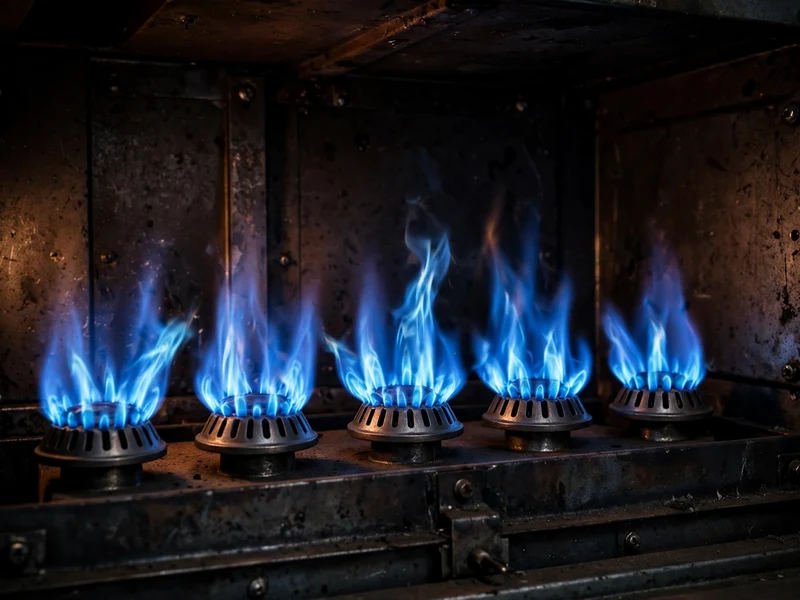
A gas furnace burns natural gas in a burner assembly, and the hot combustion gases pass through a heat exchanger while your blower pushes household air across it and out through the ducts. Combustion byproducts, including carbon monoxide, leave the home through a flue, which is why every gas furnace needs venting and annual safety checks.
An electric furnace has no flame and no flue. Large electric resistance heating elements glow hot when current flows through them, and the blower moves air across the coils. There is no combustion, no carbon monoxide, and no vent pipe. The tradeoff is the enormous electricity those coils draw: an electric furnace is often the single largest electrical load in a home.
Running Costs in an Ohio Winter
This is where most Columbus homeowners feel the difference. Natural gas delivers heat at a much lower price per BTU than electricity in Ohio. For a typical 1,500 square foot home, national energy figures put gas heating around 600 dollars per winter and electric resistance heating above 1,200 dollars for the same house and climate. In a long cold Columbus winter, that gap widens.
The efficiency ratings confuse people. An electric furnace is rated near 100 percent efficient because almost all the electricity becomes heat, while a gas furnace is rated 80 to 98 percent because some heat escapes with the exhaust. But efficiency is not cost: electricity costs so much more per unit of energy that the 100 percent efficient electric furnace still produces the bigger bill.
If your winter gas bills already feel high, read our guide on whether a high gas bill means your furnace has a problem before assuming the fuel type is the issue. An aging or poorly maintained gas furnace wastes far more than a tuned one.
What Each One Costs to Install
Up front, electric wins. A typical electric furnace installation runs 2,000 to 3,500 dollars, while a gas furnace installation runs 3,500 to 5,000 dollars or more for high efficiency models. Electric units are simpler machines with fewer parts, so the equipment and the labor both cost less.
But two hidden costs can erase that advantage. First, an electric furnace usually needs a 60 to 80 amp dedicated circuit, and a full or 100 amp panel may need an expensive upgrade. Second, bringing gas service to a home with no gas line involves the utility and trenching, a separate project with its own price. Get both quotes in writing before comparing.
Over a 15 year life in Columbus, gas operating savings typically exceed 10,000 dollars compared with electric resistance heat, which dwarfs the higher install price. That math is why gas dominates in Ohio suburbs.
Heating Performance When It Gets Really Cold
Gas furnaces produce hotter supply air and recover faster. When Columbus drops into the teens, a gas furnace raises your home temperature noticeably quicker than electric coils can, and homeowners switching from gas to electric often describe the heat as weaker and slower.
In extreme cold, resistance heat simply runs longer at maximum power. During a January cold snap, an electric furnace can run nearly continuously, and that is when the painful bills arrive. Gas furnaces cycle normally in the same weather because each cycle delivers more heat per minute.
Call (380) 273-8167: We Install and Service Both Types
Lifespan and Repair Frequency
Electric furnaces last longer on paper, commonly 20 to 30 years, because there is no flame and fewer moving parts to wear out. Gas furnaces typically last 15 to 20 years, with the heat exchanger being the part that eventually ends the unit. Our article on whether to repair a 15 year old furnace walks through that decision point.
Maintenance is where electric shines. A gas furnace needs a professional inspection every year covering burners, ignition, heat exchanger, flue, and gas connections. An electric furnace mainly needs filter changes and blower checks. When a gas furnace does break, repairs like ignitor replacement or blower motor replacement are routine but still cost more than simpler electric repairs.

Safety: Carbon Monoxide vs Electrical Load
Gas furnaces produce carbon monoxide as a normal combustion byproduct, and a cracked heat exchanger or blocked flue can let it into your home. That is why working CO alarms on every floor and annual inspections are non negotiable with gas heat. Our furnace smells guide covers what to do if you ever smell gas or burning near the unit.
Electric furnaces produce no carbon monoxide and need no venting, removing that entire category of risk. Their risk is electrical: a unit pulling 60 to 80 amps through old or undersized wiring is a fire hazard if the circuit was not installed correctly. Both systems are safe when installed to code and maintained.
When an Electric Furnace Is the Smarter Choice
Electric is not always the wrong answer in Columbus. It is usually the right answer when there is no gas line and extending one is impractical, in small well insulated spaces with a low heating load, in condos or additions where venting a gas unit is difficult, and for homeowners who prioritize minimal maintenance and zero combustion.
If you are in this situation, size the unit carefully and confirm your panel can carry it before you buy. An undersized electric furnace in a drafty Columbus colonial is a recipe for the highest bills in the neighborhood.
Gas vs Electric Furnace Comparison
| Factor | Gas Furnace | Electric Furnace |
|---|---|---|
| Winter running cost in Columbus | Much lower per BTU | 2 to 3 times higher per BTU |
| Typical installed cost | 3,500 to 5,000 dollars and up | 2,000 to 3,500 dollars |
| Heating speed and output | Hotter air, faster recovery | Slower, gentler heat |
| Cold weather performance | Strong in sub freezing weather | Runs long cycles, high bills |
| Expected lifespan | 15 to 20 years | 20 to 30 years |
| Annual maintenance | Professional inspection needed | Minimal, mostly filters |
| Main safety concern | Carbon monoxide, needs venting | Heavy electrical load, needs big circuit |
| Needs gas line | Yes | No |

Important Considerations Before You Decide
First, start with what your home already has. If gas service is already piped to the house, replacing gas with gas is almost always the cheapest lifetime decision. If you are on electric now with no gas line, get a real quote for gas line extension first, because the extension can cost more than years of the bill difference.
Second, have an electrician confirm panel capacity before choosing electric. Third, think about resale: in the Columbus market, buyers expect gas heat in most suburbs, and all electric homes can raise questions at showing time.
Fourth, know that a third option exists. Dual fuel systems pair an electric heat pump with a gas furnace backup, switching fuels based on outdoor temperature. They cost more up front but can beat both single fuel options on running cost. If a contractor tells you that you must replace your furnace immediately, slow down and read our second opinion guide first.
What Replacement Really Costs in Columbus OH
Whether you choose gas or electric, replacement is a major purchase, and the bid you accept matters more than the brochure. Get load calculations, not rule of thumb sizing, and compare total installed prices including electrical or gas line work. Our 2026 Columbus furnace repair cost guide gives you local pricing context so you can spot an inflated quote.
If your current furnace still has life in it, a professional furnace tune up in Columbus OH is the cheapest way to cut this winter’s bills while you plan the replacement on your own schedule instead of during a no heat emergency.
Frequently Asked Questions
Is it cheaper to heat a house with gas or electricity in Columbus?
Gas is cheaper by a wide margin. Natural gas costs far less per unit of heat than electricity in Ohio, so a gas furnace typically costs about half as much to run through a Columbus winter as an electric furnace heating the same home.
Should I switch from a gas furnace to an electric furnace?
Usually no, if you already have gas service. Switching to electric raises your winter heating bills substantially. The main reasons to switch are no available gas line, a panel with plenty of capacity, or a small well insulated space with a low heating load.
Which lasts longer, a gas furnace or an electric furnace?
Electric furnaces last longer, typically 20 to 30 years versus 15 to 20 for gas, because they have no combustion wearing on components. But the higher electric running costs over those extra years usually outweigh the longer life.
Is a gas furnace dangerous because of carbon monoxide?
A properly installed and maintained gas furnace is safe. The risk comes from cracked heat exchangers or blocked flues, which is why annual inspections and working CO alarms on every floor are essential. Never skip the yearly checkup on a gas unit.
Can my electrical panel handle an electric furnace?
Maybe, but verify first. Electric furnaces need a 60 to 80 amp dedicated circuit, and many older 100 amp panels cannot add that load. Have an electrician confirm capacity before you buy, since a panel upgrade adds significant cost.
Do electric furnaces work well in very cold weather?
They work, but they struggle compared with gas. In sub freezing Columbus weather an electric furnace runs very long cycles at full power, heats more slowly, and produces the highest electric bills of the year. Gas delivers hotter air and recovers faster in the same conditions.
How much does it cost to convert from electric heat to gas?
Beyond the 3,500 to 5,000 dollar furnace installation, you may need gas line extension, venting, and possibly electrical work. Get itemized quotes for the full conversion, then compare against the projected yearly bill savings to find your payback period.
Is a dual fuel system better than gas or electric alone?
It can be. A dual fuel setup runs an efficient heat pump in mild weather and switches to the gas furnace when temperatures drop. It costs more up front but often delivers the lowest total running cost in a climate like Columbus with real winters.
Call (380) 273-8167: Get Honest Replacement Advice
For more furnace help, browse the Columbus Furnace Repair blog.