
TLDR Quick Answers
- When should you get a second opinion? Get one when replacement is recommended without a clear failed part diagnosis, when the quote is large, or when another safe repair path may exist.
- Does a 15 year old furnace have to be replaced? No. Condition, repair history, safety, efficiency, and the failed component matter more than age alone.
- What about a cracked heat exchanger? Treat a confirmed crack as a safety issue, but ask how the crack was verified and whether the choice is heat exchanger replacement or whole furnace replacement.
- How many estimates should you get? For major home improvement work, the Ohio Attorney General recommends getting at least three written estimates.
- What should you ask before signing? Ask what failed, what test proved it, what the repair would cost, and why replacement is being recommended.
- Does Columbus timing matter? A second opinion is easiest before a cold snap; a no heat emergency may require a faster safety first decision.
A furnace replacement second opinion is worth getting when the first recommendation is expensive, poorly explained, based mainly on equipment age, or tied to a diagnosis you cannot verify. The goal is not to avoid replacement at any cost; it is to know what failed, whether the furnace is safe to run, and whether repair or replacement makes better sense for that specific system.
Need an independent diagnosis before you approve a replacement? Call Columbus Furnace Repair at (380) 273-8167 or use the Columbus furnace repair hub to match the symptom before making a large purchase.
When Should You Get a Second Opinion on a Furnace Replacement?
You should get a second opinion when the replacement recommendation carries a major cost and the diagnosis is not backed by clear evidence. A technician should be able to name the failed component, explain the test or inspection that identified it, and separate safety concerns from financial recommendations. This depends on urgency: a gas leak or carbon monoxide alarm calls for immediate evacuation and emergency help before any second opinion shopping.
A second opinion is especially useful when the furnace still runs, the problem appeared suddenly, or the first visit moved from “diagnosis” to “replace the whole system” without discussing repair. Columbus homeowners comparing a repair with a new system can also use the repair versus replacement guide and the Columbus furnace repair cost guide to put the quote in context.
What Should the First Company Be Able to Show You?
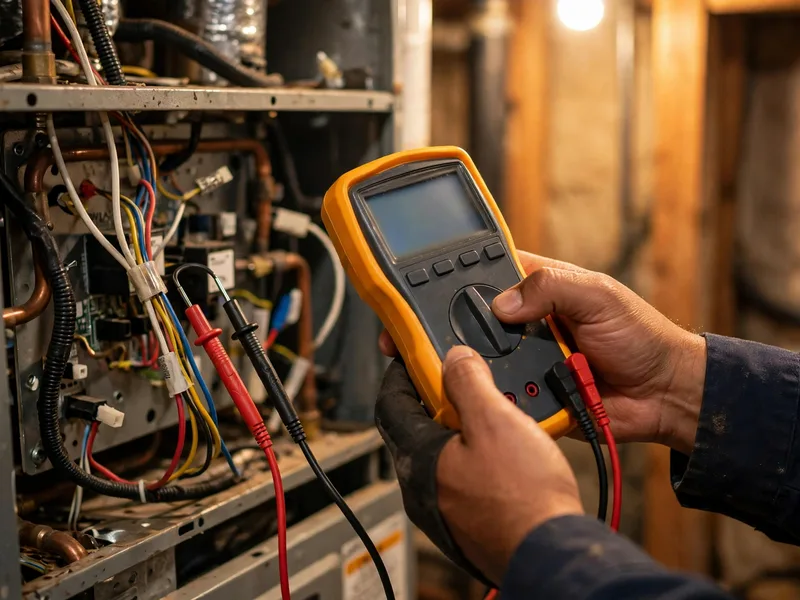
A replacement recommendation should connect a symptom to a documented finding. “Your furnace is old” describes age, not the failed part. A clear diagnosis may include electrical readings, ignition cycle observations, combustion or venting checks, visible component damage, manufacturer fault codes, or a heat exchanger inspection performed by a qualified technician.
| Recommendation you hear | Evidence worth asking for | What it tells you |
|---|---|---|
| “The heat exchanger is cracked” | Visual confirmation, inspection findings, combustion and CO testing where applicable | Whether a safety critical component is damaged |
| “The blower motor is bad” | Motor and capacitor testing and airflow findings | Whether the motor or a cheaper related part failed |
| “The control board is bad” | Voltage, input and output testing and fault sequence | Whether the board is truly the cause |
| “The furnace is too old to fix” | Failed part, parts availability, repair history, cost comparison | Whether age is relevant to this repair |
| “You need a new furnace today” | Safety reason or failed part evidence | Whether urgency is technical or sales led |
The Ohio Attorney General advises consumers to check contractor credentials where local licensing applies, ask for references, get key promises in writing, and obtain at least three written estimates before a home improvement contract. That advice fits a planned furnace replacement well, though a freezing no heat emergency may not allow the same timeline. Source: Ohio Attorney General, Home Improvement Consumer Tips.
Replacement quote but no clear failed part? Ask for a second furnace diagnosis before signing. Columbus Furnace Repair quotes pricing before work begins. Call (380) 273-8167.
Is a 15 Year Old Furnace Automatically Ready for Replacement?
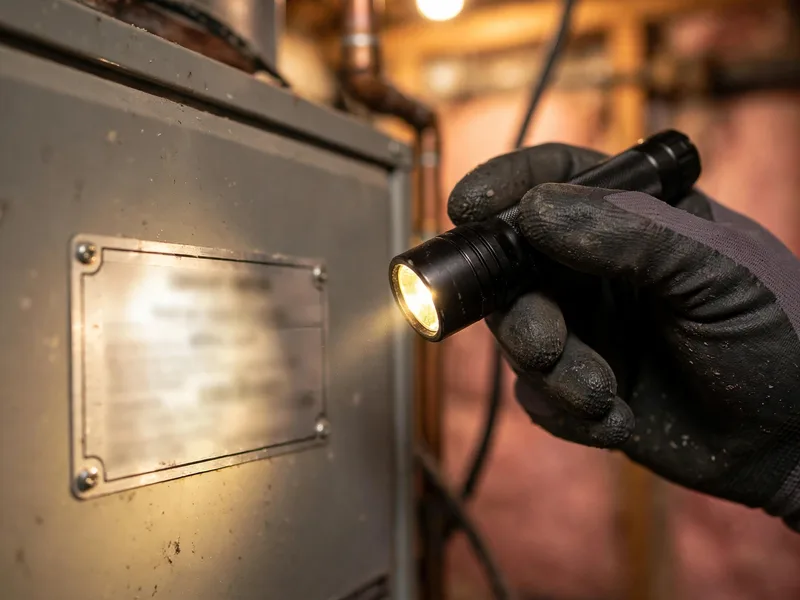
No. A 15 year old furnace has reached an age where replacement deserves serious consideration, but age by itself does not prove the system is finished. A single failed ignitor, flame sensor, thermostat, or other serviceable part can still make repair sensible when the heat exchanger is sound and the furnace has not needed repeated major repairs.
Carrier notes that furnaces can commonly last about 15 to 20 years, with actual life shaped by installation, maintenance, usage, and operating conditions. A better decision combines age with the failed part, current safety condition, repair history, parts availability, comfort, and fuel use. See the dedicated guide on whether a 15 year old furnace is worth repairing.
What If the Technician Says the Heat Exchanger Is Cracked?
A suspected cracked heat exchanger should be treated as a safety issue, and the furnace should not be run until a qualified professional has evaluated it. AHRI’s induced draft furnace inspection procedure calls for trained technicians to inspect the venting and furnace setup, measure combustion conditions when needed, and visually inspect heat exchanger surfaces; abnormal splits, cracks, or holes mean the heat exchanger must be replaced. Source: AHRI Heat Exchanger Inspection Procedure.
A cracked heat exchanger does not automatically mean the whole furnace must be replaced in every case. The heat exchanger itself can sometimes be replaced if the part is available and the economics make sense; an older furnace, an out of warranty exchanger, heavy corrosion, or other major failures can make full furnace replacement the better choice. Read the Columbus cracked heat exchanger second opinion guide before treating a visual warning sign as a confirmed diagnosis.
If a carbon monoxide alarm sounds, leave the home and call 911 from outside. The CDC says gas and oil burning furnaces produce carbon monoxide, an odorless, colorless gas that can cause sudden illness or death. Source: CDC Furnace Safety Fact Sheet.
What Questions Should You Ask Before Approving a New Furnace?
Ask questions that force the recommendation back to measurable facts. You do not need HVAC training to ask for the failed part, the test that identified it, the repair option, the replacement option, and the total price for each path.
- What exact component failed?
- What test or inspection proved the failure?
- Is the furnace unsafe to operate right now?
- Is there a repair option, and what would it cost installed?
- If a part is unavailable, was availability checked by model and serial number?
- What is the full replacement scope: furnace, thermostat, venting, permits, condensate work, duct changes, or other items?
- What warranty applies to the repair or replacement?
- If the furnace is being replaced because of age, what current defect makes replacement preferable now?
A company may still reach the same replacement recommendation after those questions. The difference is that you can see the reason rather than relying on pressure.
How Should You Compare Two Different Furnace Diagnoses?
Compare the diagnoses before comparing the prices. Two quotes are not equivalent when one includes a verified heat exchanger failure and the other assumes replacement because the unit is old. Ask both companies to identify the failed part and scope the repair or replacement in writing.
If one company recommends a 300 to 600 dollar repair and another recommends a complete replacement, the disagreement needs technical explanation. If both identify the same expensive failure on an older furnace, then the decision becomes financial rather than diagnostic. The high gas bill furnace guide can help separate an operating cost complaint from a true mechanical failure.
Does a High Gas Bill Prove You Need a New Furnace?
No. Columbia Gas of Ohio says bills can change because of weather, billing cycle length, household changes, gas usage, and appliance performance. A higher bill may justify checking furnace operation, but it is not proof that the furnace needs replacement. Source: Columbia Gas of Ohio, Understanding Your Bill.
A replacement case becomes stronger when high fuel use appears together with an older low efficiency furnace, poor comfort, long run times, repeated repairs, or a major component failure. A cold month by itself can raise gas use even when the furnace is operating normally.
Why Does Columbus Weather Make Timing Matter?
Columbus heating systems can move from light fall use to long heating cycles quickly. National Weather Service records show that the first 32 degree fall temperature in Columbus has occurred as early as September 21 and as late as November 27, so there is no single calendar date when every home enters heating season.
If your furnace is already showing delayed ignition, short cycling, weak airflow, or unreliable starts, getting it checked before the first hard cold stretch gives you more time to compare options. The first freeze furnace problem guide covers the faults that tend to show up when heating demand rises.
When Does a Second Opinion Not Make Sense to Delay?
Do not delay emergency action for a gas smell, visible smoke, sparks, or a carbon monoxide alarm. Leave the home first when gas or CO is suspected, then call emergency services or the gas utility from outside; furnace diagnosis comes after the home has been cleared safe. The emergency furnace repair page lists the site’s no heat and safety steps.
A second opinion is also less useful when two qualified technicians independently document the same failed component and the repair economics are clear. In that case, your remaining decision may be contractor, equipment, warranty, price, and timing rather than whether the furnace has failed.
Frequently Asked Questions
Should I get a second opinion if my furnace is 15 years old?
Yes, if replacement is being recommended mainly because of age or the repair is expensive. A 15 year old furnace may still be repairable when the heat exchanger is sound and the failed part is serviceable. The decision changes when repairs are recurring, parts are scarce, or a safety critical component has failed.
Is a cracked heat exchanger diagnosis worth a second opinion?
Yes, when you can do so without running an unsafe furnace. Ask how the crack was verified and whether the technician followed a recognized inspection process. If a CO alarm is sounding, leave first and call emergency services rather than waiting for another HVAC visit.
How many furnace replacement estimates should I get in Ohio?
The Ohio Attorney General advises consumers to obtain at least three written estimates for home improvement work. A planned furnace replacement fits that guidance well. A no heat emergency during freezing weather may shorten the practical comparison window.
Can a company condemn a furnace just because it is old?
Age is a decision factor, not a diagnosis. A technician should still identify what failed and whether the furnace is safe to operate. Parts availability, repair history, efficiency, and current condition can make age more or less important.
What should a furnace replacement estimate include?
It should clearly identify equipment, labor, permit responsibility, venting or condensate changes, thermostat work, any duct modifications, warranty terms, and total price. Scope matters because two estimates can look different simply because they include different work.
Is a high gas bill enough reason to replace a furnace?
No. Weather, billing days, rates, household use, thermostat settings, air leakage, and appliance performance can all affect the bill. Diagnose furnace operation before treating cost alone as proof of failure.
Can a heat exchanger be replaced instead of the whole furnace?
Yes, in some furnaces the heat exchanger can be replaced. The choice depends on part availability, warranty, furnace age, labor, other system problems, and the cost of the repair compared with replacement. The furnace should stay off until a confirmed crack is addressed.
What if two HVAC companies give completely different diagnoses?
Ask both for the failed component, test result, and written scope. A large disagreement can mean the diagnoses or scopes are not the same. Comparing the evidence is more useful than comparing headline prices.
Get the diagnosis before you make the purchase. Call Columbus Furnace Repair at (380) 273-8167, compare the finding with the repair cost guide, and use a second opinion when the first recommendation is not clear.
More seasonal and symptom guides live on our furnace repair blog.
One Response