
TLDR Quick Answers
- What is normal on the first furnace run of fall? A light dusty smell, soft ticking as metal warms, and one long run while the house climbs back to the set temperature.
- What is not normal? No heat, cold air from the vents, loud banging, repeated short runs, a strong electrical smell, or any gas smell.
- What should you check first? Thermostat mode, set point, breaker, furnace power switch, front panel, and the air filter.
- When should you call? Call when the furnace stays silent, blows cold air, shuts off again and again, or makes a new loud sound.
- What does early help cost? A diagnostic visit in Columbus usually runs 75 to 150 dollars, and most furnace repairs fall between 123 and 505 dollars according to Angi.
What Should Happen the First Time Your Furnace Runs This Fall?
The thermostat calls for heat, the furnace starts after a short pause, and warm air reaches the vents within a few minutes. The home then climbs slowly to the set temperature while the furnace runs in a steady cycle. The first run of the season often smells like warm dust because dust settled on heat parts during the summer. That smell should fade within about an hour of steady running.
A healthy first start feels a little dramatic but stays orderly. You may hear soft ticks as metal expands, and the blower may run briefly after the burners stop to push out the last warm air. If the smell fades, the air turns warm, and the furnace completes a full run without stopping, the start was likely healthy. However, the first real call for heat is also the moment weak parts finally fail, so new symptoms deserve attention rather than hope.
Which First Run Signs Are Normal, and Which Ones Mean Trouble?
| What You Notice | Likely Normal If | Call for Repair If |
|---|---|---|
| Light dusty smell | It fades within about an hour | It turns strong, smoky, or electrical |
| Soft ticking sounds | They stop once parts warm up | You hear banging, screeching, or rattling |
| Blower runs briefly after heat | It stops after warm air moves out | Cold air keeps blowing with no heat |
| One long first run | The home reaches the set temperature | The furnace starts and stops every few minutes |
| No heat at all | Never normal | The furnace will not start after basic checks |
If you smell gas, leave the home first and call your gas utility or emergency service from outside. Once you are safe, call Columbus Furnace Repair at (380) 273-8167 for the furnace side of the problem.
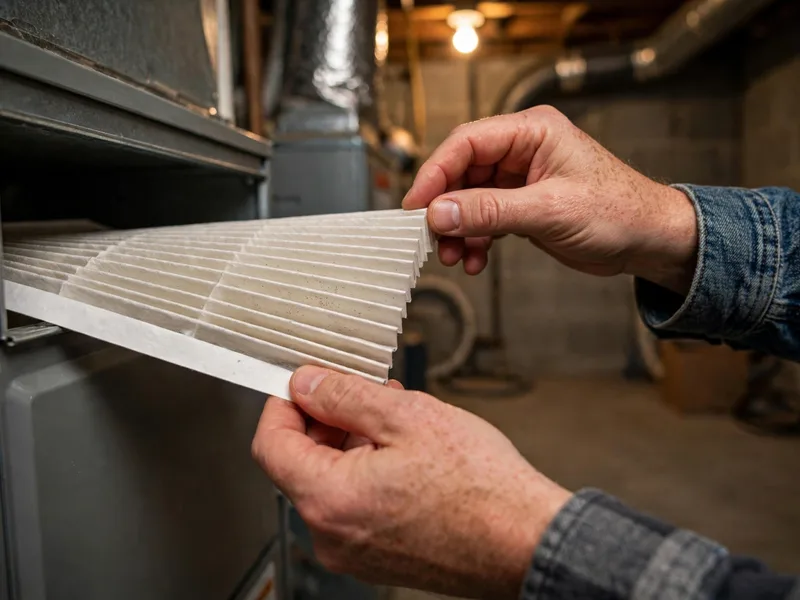
What Can You Check in Five Minutes Before You Call?
Set the thermostat to heat and raise the temperature about three degrees above the current room temperature. Check that the furnace power switch is on and the breaker has not tripped. Look at the air filter and replace it if it looks gray, matted, or clogged. Open a few supply vents around the home so air can move freely.
Then stand near the furnace and listen for the startup order. A healthy unit usually runs the inducer, lights the burners, and then starts the blower. Clicking with no light points toward ignition trouble. Total silence points toward power, a door switch, or the control board. Warm air that never arrives needs a closer look at the causes in our guide to a furnace blowing cold air.
If the furnace still does not start after these checks, stop restarting it and book a diagnosis. Repeated resets can stress ignition parts and can turn a simple failure into a lockout. No heat after the quick checks? Call (380) 273-8167 and describe exactly what the furnace did.
First-Fire Checklist: Run This Before the First Cold Night
Run through this list once, in order, the first time turning on furnace heat this fall. It takes about five minutes, and it catches the problems that turn into no-heat calls on the first freezing night in Columbus.
- Test the carbon monoxide detectors on every level of the home, and put fresh batteries in any that are due. Never run the furnace for the season without working detectors.
- Smell test: a light dusty smell that fades within about an hour is normal for the first run. A rotten-egg smell is gas — leave the house and call your gas utility from outside. If the smell is electrical, musty, or smoky, read our furnace smells guide before you run the furnace again.
- Check the air filter. If it is gray, matted, or clogged, replace it before the first run — a clogged filter is the most common cause of a first-fire shutdown.
- Set the thermostat to Heat, raise it about three degrees above the room temperature, and confirm that it calls for heat.
- Check the furnace breaker and the furnace power switch. Both should be on.
- Make sure the furnace front panel is fully seated — a loose panel trips the door safety switch and the furnace will not start.
- Open the supply vents in the rooms you use, then stand near the furnace and listen for the startup order: inducer fan, burners lighting, then the blower. If it clicks without lighting, check what the blinking red light means before you reset anything.
- If there is still no heat, it blows cold, or it starts and stops every few minutes, stop restarting it and get help. Call (380) 273-8167, and for a no-heat night, see our emergency furnace repair page.
Columbus Furnace Repair serves Columbus and the surrounding suburbs, and a fall tune-up is the cheapest way to catch a weak ignitor or dirty sensor before the coldest weeks arrive. If a repair quote comes back high, get it in writing and itemised first — our guide to furnace repair quotes explains the red flags to check. For the full picture, see the top 10 furnace problems in Columbus.
Why Does a Fall Start Reveal Problems That Summer Hid?
Ignitors and flame sensors age with every heating cycle, and the first real call for heat is often the moment a weak part finally gives up. Dust, a clogged filter, and long months of sitting idle can also make the first run harder than a normal winter run. The system has to prove itself again after a long rest, and small weaknesses show up fast.
A burning smell that goes beyond light dust is covered on our furnace smells page, including which smells mean you should shut the system off. A fall furnace tune up in Columbus checks ignition, airflow, safety controls, and venting before the coldest weeks arrive, when repair schedules fill up quickly. That visit is not magic, but it is the calmest time to find a part that is close to failure.
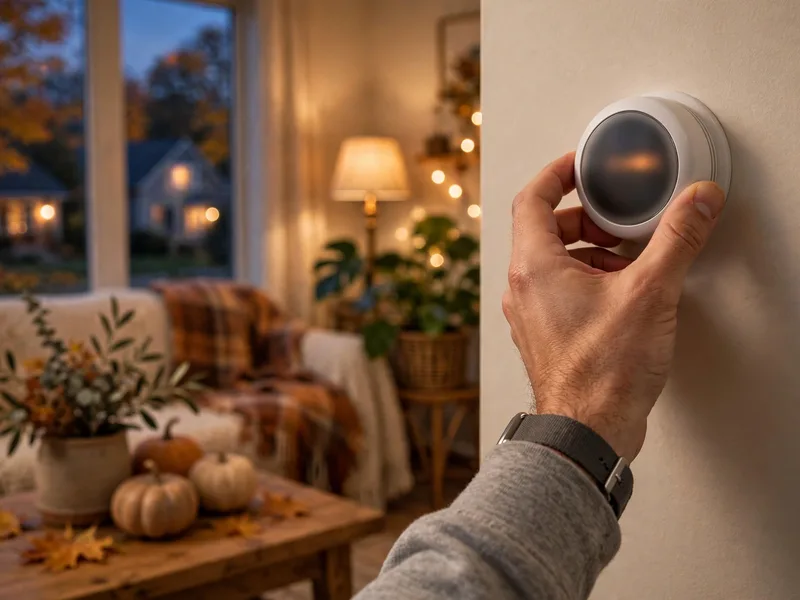
What If the Furnace Will Not Turn On at All?
Start with the thermostat, the power switch, and the breaker, in that order. If all three look right and the furnace stays silent, the cause is often an ignition or control problem that needs testing tools rather than guesswork. Our page on a furnace not turning on walks through the same order a technician follows, so you know what the diagnosis will involve before you book.
Knowing the likely cause also helps you describe the problem clearly on the phone. Tell the dispatcher whether the furnace is silent, clicking, lighting and dying, or blowing cold air. That one detail can change which parts the technician brings and how fast the visit moves. However, do not keep cycling power to test it again and again, because repeated failed starts add wear and can hide the original fault pattern.
What Does It Cost to Catch a Fall Furnace Problem Early?
The honest answer depends on which part quit, which is why the diagnosis comes first. A diagnostic visit in Columbus runs 75 to 150 dollars and names the failed part before you commit to a repair. Angi puts the average Columbus furnace repair at 304 dollars, with most repairs between 123 and 505 dollars. Early fall calls are usually easier to schedule than emergency visits during the first hard freeze.
Simple fall fixes sit at the lower end when the problem is a dirty flame sensor, a weak ignitor, a clogged filter, or a thermostat fault. Larger repairs rise when the blower motor, control board, or gas valve is involved. You should approve the full price before any part gets replaced. If the furnace is older and the repair quote is high, ask for the repair and replacement math side by side rather than guessing from the age alone.

Important Considerations
Safety comes before comfort. Never ignore a gas smell, a carbon monoxide alarm, or visible damage at the furnace. Keep detectors with fresh batteries on every level of the home and test them when you test the furnace. If a detector sounds, leave the home and call for help from outside.
Comfort matters too, but timing matters more. A simple diagnosis early in fall is usually easier to schedule than an emergency visit on the coldest night of the year. Early repair can also prevent a small part failure from damaging other parts. A dirty sensor can cause repeated failed starts. A clogged filter can overheat the system. A weak ignitor can leave you with no heat on the first night you truly need it.
Finally, consider the age and repair history of the system. A furnace that fails its first fall start and has needed repeated repairs may be near the point where repair and replacement costs should be compared honestly. The right answer depends on the condition of the heat exchanger, the cost of the failed part, and how many winters you expect from the unit.
Frequently Asked Questions
Is a burning dust smell normal when the furnace starts for the first time?
Yes. A light dusty smell is common on the first run and should fade within about an hour of steady heating. A strong electrical smell, visible smoke, or a smell that keeps getting worse is not normal, so turn the system off and call for service.
How long should the first furnace run of the season last?
It should run steadily until the thermostat is satisfied, which can take a while if the house cooled down overnight. Very short runs that stop and start every few minutes point to a clogged filter, a dirty flame sensor, an overheating limit, or a thermostat problem.
Should I test my furnace before a cold night in Columbus?
Yes. Run the heat for about twenty minutes on a mild afternoon, confirm warm air reaches the vents, and listen for banging, squealing, or repeated restarts. Testing early gives you time to book a calm repair visit instead of an emergency call at midnight.
Why does my furnace smell worse in one room than the others?
A stronger smell in one room often means dust built up in that duct run or a vent stayed closed all summer. Open the vent fully and run the system for a full cycle. A smell that stays strong in one room after several runs can point to a dirty blower, a duct issue, or debris near the heat exchanger.
What should I check if the furnace will not start after summer?
Check the thermostat mode, the set point, the breaker, the furnace power switch, the front panel, and the air filter. If all of those pass and the furnace stays silent, the likely cause is an ignitor, control board, safety switch, or blower problem that needs testing tools.
Is it normal for the blower to keep running after the burners stop?
Yes, for a short time. The blower often runs briefly to move the last warm air out of the heat exchanger. If cold air keeps blowing long after the burners stop, or the blower never shuts off, the fan setting, limit switch, or control board should be checked.
When is a first fall furnace problem an emergency?
Treat no heat as urgent when indoor temperatures are falling toward freezing, when young children, older adults, or medically vulnerable people are home, or when pipes may freeze. A gas smell is different and more serious. Leave the home first and call the gas utility or emergency service from outside.
Can a fall tune up prevent a winter breakdown?
A tune up cannot promise that a part will never fail, but it can catch weak ignition parts, dirty sensors, airflow problems, and unsafe venting before the coldest weeks. That early check matters in Columbus because repair schedules fill fast once nights stay below freezing.
Ready for the Cold Nights Ahead?
If your first fall start brought no heat, cold air, odd smells, loud sounds, or nonstop cycling, Columbus Furnace Repair can diagnose it and explain the fix before you pay for the repair. Call (380) 273-8167 today and get the furnace ready while Columbus nights are still in the 40s rather than the 20s.
More seasonal and symptom guides live on our furnace repair blog.
One Response