
Short answer: In Columbus OH, a high efficiency furnace is usually the better buy if you plan to stay at least five to seven winters. If your furnace is near the end of its life, the quote you get will probably offer two very different machines at two very different prices. One is a standard efficiency furnace, usually rated at 80 AFUE. The other is a high efficiency furnace, usually rated at 96 AFUE or higher. The price gap can be over a thousand dollars, and the honest answer is that the expensive one sometimes pays for itself and sometimes does not. The difference comes down to your home, your gas bills, and how long you plan to stay.
Quick Answer: In Columbus OH, a high efficiency furnace is usually the better buy for a home you plan to keep for at least five to seven winters, because it turns about 96 percent of its fuel into heat while a standard furnace turns about 80 percent into heat and sends the rest up the flue. A standard furnace can still be the right call for a home you plan to sell soon, a small well insulated home with low heating bills, or a home where venting a high efficiency unit would require major work.
Call (380) 273-8167 for Furnace Replacement Advice
What AFUE Actually Means
AFUE stands for Annual Fuel Utilization Efficiency. It is the share of the fuel your furnace turns into usable heat over a full heating season. An 80 AFUE furnace turns 80 percent of its gas into heat and loses 20 percent through the exhaust. A 96 AFUE furnace turns 96 percent into heat and loses only 4 percent. That is the whole rating in one sentence, and it is the only number that matters for the fuel bill comparison.
AFUE does not measure comfort, noise, or reliability. A cheaply installed 96 AFUE furnace on leaky ductwork can cost more to run than a well installed 80 AFUE furnace on tight ducts. Two stage and modulating high efficiency models run longer at lower output, which evens out room temperatures, but that comfort comes from the staging and the blower, not from the AFUE number alone.
How the Two Furnaces Are Built Differently
A standard efficiency furnace uses one heat exchanger and a metal flue. The exhaust gases stay hot enough to rise naturally up a chimney or metal vent, which is why these units are simple, proven, and cheap to install. The downside is built into the design: hot exhaust means wasted heat, and that waste is the 20 percent you pay for and never feel.
A high efficiency furnace uses a second heat exchanger to squeeze extra heat out of the exhaust before it leaves the home. That second pass cools the exhaust so much that water condenses inside the unit, which is why these are also called condensing furnaces. The cooled exhaust is pushed out through plastic PVC vent pipes by a small fan, and the condensed water drains away through a condensate line. Our guide to why a furnace leaks water explains what that condensate system looks like when it works and when it does not.

What Each One Costs to Buy and Install
Installed prices vary by home size, brand, and installer, but the pattern is consistent across Columbus quotes. A standard efficiency furnace installation commonly runs 3,500 to 5,000 dollars for a typical home. A high efficiency installation commonly runs 4,500 to 6,500 dollars, and sometimes more for modulating models with variable speed blowers. The equipment premium for the high efficiency unit itself is often 800 to 1,500 dollars, and the rest of the gap is venting, condensate drainage, and controls.
Venting is where a high efficiency quote can jump. A standard furnace drops into an existing chimney or metal flue with little extra work. A high efficiency furnace needs new PVC intake and exhaust runs to an outside wall, a condensate drain or pump, and sometimes a new location for the unit itself. Get the venting and drainage work itemized in the quote, because a lump sum quote hides exactly where the premium is going. Before you accept any replacement quote, read our second opinion guide for the sizing and quote checks that matter far more than the brand name on the box.
The Gas Bill Math for a Columbus Winter
Take a Columbus home that spends 1,200 dollars a year on heating gas with an 80 AFUE furnace. That home needs about 960 dollars worth of heat, and wastes about 240 dollars up the flue. The same home with a 96 AFUE furnace would spend about 1,000 dollars to deliver the same heat, saving about 200 dollars a year. Industry figures put the typical saving at 10 to 20 percent of heating fuel use, or roughly 125 to 500 dollars a year depending on home size, gas price, and climate.
Now apply the payback test. If the high efficiency premium is 1,200 dollars and you save 200 dollars a year, payback takes six years. If you save 300 dollars a year because your home is larger or your gas rate is higher, payback takes four years. If you save only 125 dollars a year because your home is small and well insulated, payback stretches past nine years. In a cold climate like Columbus, most homeowners who stay put land in the four to seven year range. If your gas bills already look high, check first whether the furnace is the problem with our guide on whether a high gas bill means your furnace has a problem.
Call (380) 273-8167: Compare 80 and 96 AFUE Quotes
Comfort, Noise, and Everyday Living Differences
Standard furnaces are usually single stage machines. They fire at full output, heat the house quickly, shut off, and repeat. That on and off pattern creates temperature swings, especially in a two story home where the upstairs overheats while the downstairs stays cool. They are also louder, because the blower runs at full speed in short bursts.
Most high efficiency furnaces sold today are two stage or modulating, with variable speed blowers. They run longer at lower output, which keeps room temperatures steadier, filters the air more hours of the day, and avoids the blast of hot air followed by a cold draft. Homeowners who switch often notice the comfort difference before they notice the bill difference. If your complaint is uneven rooms rather than high bills, the staging and blower matter more than the AFUE rating.
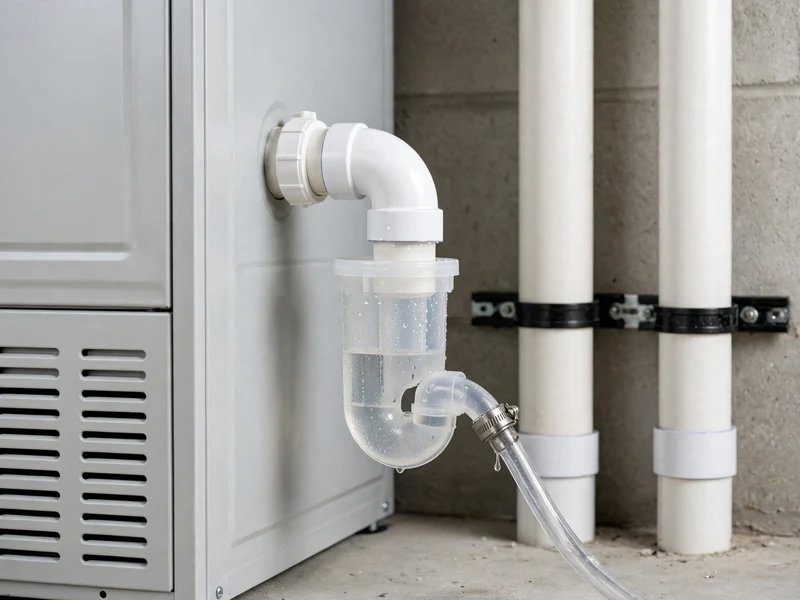
Venting, Drains, and Maintenance You Must Know About
A high efficiency furnace adds two maintenance items a standard furnace does not have. First, the condensate drain and trap must stay clear. A blocked trap can shut the furnace down on a safety switch or spill water onto the floor, and in winter a badly run outside condensate line can freeze. Second, the PVC vent terminations outside must stay clear of snow, leaves, and ice. A blocked intake or exhaust trips the pressure switch and stops the heat on the coldest nights. That stop and start pattern is covered in our guide on why a furnace keeps shutting off.
A standard furnace has its own venting risk. Its metal flue depends on hot exhaust rising naturally, and an oversized or deteriorating chimney can let exhaust cool and condense inside the flue, corroding it from the inside. Neither system is maintenance free. A professional furnace tune up in Columbus OH before winter catches both problems, and it also protects any warranty that requires annual service.
When a Standard Furnace Is the Smarter Choice
A standard furnace wins in a few clear situations. You plan to sell within a few years and will not recover the premium. Your heating bills are already low because the home is small, well insulated, or heated only part of the winter. Your home has no practical route for PVC venting or condensate drainage without major remodeling. Or your budget is tight and the choice is between a standard furnace installed correctly and a high efficiency furnace installed badly, because correct installation always beats a better box installed wrong.
Age matters too. If your current furnace is 15 years old or older and facing a major repair, the repair versus replace math changes. Our article on whether to repair a 15 year old furnace lays out that decision point.
High Efficiency vs Standard Furnace Comparison
| Factor | Standard Furnace | High Efficiency Furnace |
|---|---|---|
| AFUE rating | About 80 percent | About 96 percent or higher |
| Fuel wasted as exhaust | About 20 percent | About 4 percent |
| Typical installed cost | 3,500 to 5,000 dollars | 4,500 to 6,500 dollars |
| Annual gas saving vs standard | Baseline | About 10 to 20 percent of heating fuel |
| Typical payback in Columbus | Not applicable | About 4 to 7 years for most homeowners |
| Venting | Metal flue or chimney | PVC pipes plus condensate drain |
| Heating feel | Short hot bursts, more swings | Longer gentle runs, steadier rooms |
| Best for | Short stays, low bills, simple venting | Long stays, cold winters, comfort seekers |

Important Considerations Before You Decide
First, get both quotes for the same home, with the same sizing calculation, and compare the full installed price including venting and drainage work. Second, check your ductwork and insulation before you pay for efficiency, because a leaky house wastes heat no matter what furnace you buy. Third, ask about staging, blower type, and warranty terms in writing, and confirm whether annual maintenance is required to keep the warranty valid.
Fourth, think about the fuel comparison as well as the efficiency comparison. If you are weighing a fuel change on top of an efficiency change, our gas furnace vs electric furnace guide covers the running cost gap that dwarfs most AFUE differences. Fifth, never let a contractor size the new furnace by the old nameplate alone. A proper load calculation accounts for insulation, windows, and duct changes since the old unit was installed.
Frequently Asked Questions
Is a 96 AFUE furnace worth it over an 80 AFUE furnace?
Usually yes in Columbus if you plan to stay at least five to seven winters, because the fuel saving of about 10 to 20 percent typically pays back the premium in four to seven years. If you plan to move soon or your heating bills are already low, the standard furnace can be the better financial choice.
How much does a high efficiency furnace save per year?
For a typical Columbus home, expect about 125 to 500 dollars a year in gas savings versus an 80 AFUE furnace, depending on home size, gas price, and how cold the winter is.
Does a high efficiency furnace need special venting?
Yes. It uses PVC intake and exhaust pipes to an outside wall, plus a condensate drain for the water its second heat exchanger produces. A standard furnace uses a metal flue or chimney instead.
Can a high efficiency furnace be installed in any home?
Almost any home, but some homes need extra work for PVC vent runs or condensate drainage, especially finished basements and tight utility closets. That work should be priced before you choose.
Do high efficiency furnaces break down more often?
Not as a rule, but they have more parts that can fail, including inducer assemblies, pressure switches, and condensate components. Annual maintenance and correct installation matter more than the rating for reliability.
Will a high efficiency furnace fix cold rooms?
It can help, because two stage and modulating models with variable speed blowers run longer and even out temperatures better than a single stage standard furnace. But cold rooms caused by leaky ducts or poor insulation will not be fixed by a new furnace alone.
What is the lifespan of a high efficiency furnace?
About 15 to 20 years with annual maintenance, similar to a standard furnace. The heat exchanger, condensate system, and controls determine the real life.
Should I replace my working 80 AFUE furnace just for efficiency?
Usually no. If the standard furnace runs well and has years of life left, the fuel saving alone rarely justifies an early replacement. Replace for efficiency when the old unit is failing or facing a major repair.
Call (380) 273-8167: Get an Honest Efficiency Comparison
For more furnace help, browse the Columbus Furnace Repair blog, or contact Columbus Furnace Repair about furnace repair in Columbus OH.