
TLDR: A furnace pressure switch stuck open means your furnace cannot confirm safe venting, so it refuses to light and shuts down to protect you. The most common causes in Columbus homes are a blocked intake or exhaust vent, a clogged condensate drain, cracked or loose rubber tubing, and a failing draft inducer motor. You can safely check the outdoor vents and clear the drain line yourself, but anything involving the inducer motor, the gas valve, or repeated lockouts needs a technician.
It is 2 in the morning, the house is getting cold, and your furnace will not stay on. You pull off the lower panel and count the red blinking lights on the control board. Two or three flashes, pause, repeat. The sticker inside the panel says it all: pressure switch stuck open. Your furnace tried to start, could not confirm that exhaust gases were moving safely out of the house, and quit before lighting the burners.
This is one of the most common no heat failures Columbus homeowners see during the first cold snap. Here is what is happening, what you can check safely, and when calling for repair is the right move. If your home is already cold, call (380) 273-8167 now and we will walk you through the safe checks while a tech heads your way.
What the pressure switch actually does
Modern furnaces are sealed boxes. Before the burners light, the draft inducer motor spins up and pulls combustion gases through the heat exchanger and out the vent pipe. The pressure switch is a small round device with a rubber tube connected to the vent housing. When the inducer creates enough suction, the switch closes and tells the control board that venting is safe. Only then does the board send power to the ignitor and open the gas valve.
A pressure switch stuck open means the switch never closed. The furnace assumes something is blocking the vent path, and for safety it will not light the burners. It typically tries two or three times, then locks out. Power cycling can restart the sequence, but the underlying blockage is still there. If the unit is completely dead with no sounds at all, start with our furnace not turning on checklist instead.
Why the switch gets stuck open: the real causes
The switch itself fails far less often than the things around it. Here are the causes, in the order we find them most often in Columbus area homes.
Blocked intake or exhaust vent
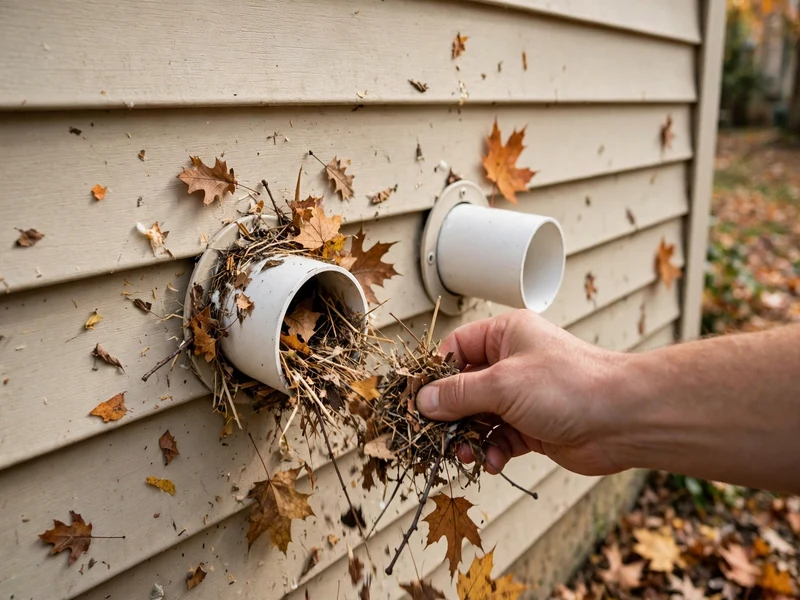
High efficiency furnaces vent through white PVC pipes that exit the side of your house. Fallen leaves, bird nests, wasp nests, snow and ice, or a plastic bag blown against the intake can choke airflow enough to keep the switch open. This is the number one cause we see in the fall, right after the furnace sits idle all summer.
Clogged condensate drain or trap
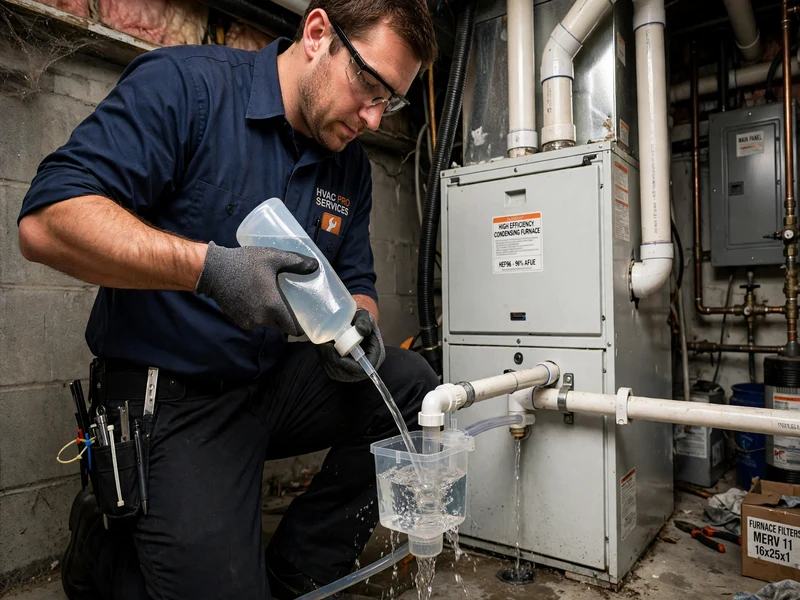
High efficiency furnaces wring water out of the exhaust as they run. That water drains through a small trap and hose. Algae, sludge, and debris build up over the cooling season, and the first long heating cycles of October push enough condensate through to back the line up. When water backs up into the collector box, pressure readings go wrong and the switch stays open. This is also why a furnace leaking water around the base deserves a look at the drain line, not just the leak itself.
Cracked, loose, or kinked tubing
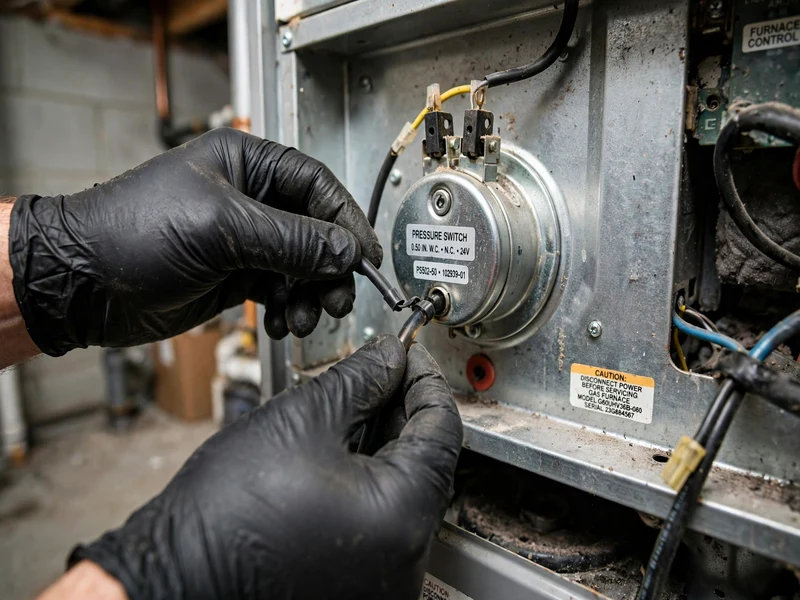
The thin rubber tube between the vent housing and the pressure switch is the switch’s only connection to the system. Age makes the rubber brittle and vibration works it loose. A cracked tube leaks the suction the switch needs, so it never closes even though the vent is perfectly clear. Technicians check this tube first because it takes seconds and fixes the problem more often than people expect.
Weak or seized draft inducer motor
This is the expensive fault hiding behind the cheap code. The inducer fan must spin up to full speed in seconds, and its bearings wear out, especially past the 12 to 15 year mark. A grinding or silent inducer cannot pull enough draft to close the switch, so you get a pressure switch code for what is really a motor failure. If the inducer sounds rough or does not spin at all, the pressure switch is doing its job by refusing to light.
Failed pressure switch itself
Pressure switches do fail, but they are far down the list. The internal diaphragm weakens with age and the contacts can stick. A switch is a 20 to 75 dollar part. Replacing it without checking the vent, drain, tubing, and inducer first is how homeowners buy a part they did not need and still pay for the real repair.
Safe DIY checks you can do right now
These checks need no tools and no panel removal. They resolve a surprising number of pressure switch lockouts.
- Look at the outdoor vents. Find the two PVC pipes on the side of your house and make sure nothing blocks the openings: leaves, nests, snow, or landscaping that grew up over the summer. Keep at least 12 inches of clear space around each opening.
- Check the condensate line. Find the small drain hose leaving the furnace. Make sure the hose is not kinked and the drain is not clogged. A slow drip instead of a steady trickle during a heating call is a warning sign.
- Check the air filter. Replace it if you cannot see light through it. This rarely fixes a pressure switch code on its own, but it rules out one variable.
- Reset the furnace once, properly. Turn the thermostat to off, flip the furnace breaker off for 60 seconds, then turn it back on and call for heat. If the furnace lights and runs normally, the fault may have been a one time hiccup. If the same code returns, stop resetting and call for service. Repeated lockouts can leave unburned gas in the heat exchanger between attempts.
If the code comes back after these checks, the problem is inside the furnace cabinet: the tubing, the trap, the inducer, or the switch itself. That work involves live voltage and combustion components. Call (380) 273-8167 and describe the blink code pattern you saw.
What a technician does differently
A pro does not guess at parts. The diagnostic runs like this: confirm the code, measure draft with a manometer at the vent housing, check the tubing and test the switch with a gentle suction test, then flush the condensate trap and check the inducer motor’s amperage and bearings. The manometer reading is the key step. It separates a vent or drain problem from a dying motor in minutes instead of parts.
On a furnace older than about 15 years, a pressure switch code deserves an honest repair versus replace conversation. An inducer motor replacement runs 250 to 500 dollars or more depending on the model. Repeated lockouts at that age are often the first of several end of life repairs, so ask for the honest math before spending anything.
Cost to fix a pressure switch problem in Columbus
| Repair | Typical range | Notes |
|---|---|---|
| Diagnostic visit | 75 to 125 dollars | Often applied to the repair if you proceed |
| Pressure switch replacement | 150 to 300 dollars installed | Part is 20 to 75 dollars; labor and testing are the rest |
| Condensate trap flush and drain cleaning | 100 to 200 dollars | Often bundled with a fall tune up |
| Draft inducer motor replacement | 250 to 500 dollars or more | Model specific; the real fix behind many switch codes |
| Vent pipe repair | 150 to 400 dollars | For damaged or improperly sloped venting |
For a broader picture of what furnace work costs locally, see our Columbus furnace repair cost guide.
Important Considerations
- Never bypass the pressure switch. Jumping the switch with a wire to force the furnace to light is extremely dangerous. The switch exists to prove exhaust gases are leaving your home. Bypassing it can fill the house with carbon monoxide. No heat is uncomfortable; carbon monoxide is lethal.
- Be gentle with the tubing. If you are checking the rubber tube yourself, use a very light breath to test it. The diaphragm inside the switch is delicate, and hard blowing can damage it.
- Watch for the first freeze pattern. In Columbus, pressure switch lockouts spike in October and November. Condensate lines that sat all summer are at their dirtiest, vents are at their most obstructed, and the furnace is running its longest cycles of the season so far. A fall startup check before the first freeze prevents most of these calls.
- Intermittent today means dead in January. A lockout that happens once a week in October tends to happen every night in January. The colder it gets, the more condensate your furnace produces and the harder the inducer works. Fix it while the weather is still mild.
- Know your blink code. Most furnaces blink the red LED two or three times for a pressure switch fault. Write down the pattern before you reset anything. That pattern is the single most useful thing you can tell the technician on the phone.
When to call immediately
Call for same day service if any of these are true: the code returns after your first reset, the inducer motor is grinding or silent, you smell gas, water is pooling under the furnace, or the house is dropping and it is below freezing outside. After hours no heat in October or November is an emergency call. Reach us at (380) 273-8167, day or night.
Frequently asked questions
What causes a pressure switch to get stuck open?
Blocked intake or exhaust vents, a clogged condensate drain, cracked or loose tubing, a weak draft inducer motor, or a failed switch. The vent and drain causes are the most common in the fall.
How can I tell if my pressure switch is stuck open?
The furnace tries to start two or three times and shuts down, and the control board blinks a fault code, usually two or three red flashes. The blower may run, but the burners never light.
Is there a way to reset a furnace pressure switch?
You reset the furnace, not the switch itself. Turn the thermostat off, flip the furnace breaker off for 60 seconds, then restore power and call for heat. If the code returns, the underlying fault still needs repair.
Can I replace a pressure switch myself?
Physically it is simple, but it is the wrong first move most of the time. The code usually points to a vent, drain, or inducer problem. Replacing the switch without checking those wastes money and leaves the real fault in place.
How much does it cost to fix?
A pressure switch replacement runs 150 to 300 dollars installed. If the real problem is the inducer motor, expect 250 to 500 dollars or more. A diagnostic visit of 75 to 125 dollars identifies which one you actually need.
Will my furnace run at all with this fault?
No. The furnace is designed to refuse ignition when the pressure switch stays open. It will attempt the sequence a few times, lock out, and wait for a reset.
Is it dangerous to keep resetting the furnace?
Resetting once to see if the fault clears is fine. Repeated resets are not. Each failed attempt can leave unburned gas in the heat exchanger, and the repeated cycling stresses the inducer and ignitor.
Why does this happen more in the fall?
Vents collect debris all summer, condensate drains sit dirty for months, and the first long heating cycles of October push the system harder than it has been pushed since spring. Columbus first freeze season is peak time for these lockouts.
Pressure switch lockouts are frustrating because the furnace looks almost alive: the blower runs, the board blinks, and the burners never light. Start with the safe outdoor checks, reset once, and if the code comes back, get a tech who will measure draft instead of guessing at parts. For more furnace troubleshooting guides, browse our blog.