
TLDR Quick Answers
- Why the first freeze matters: Furnace run time increases, so weak ignition, dirty sensors, restricted airflow, blower problems, and thermostat faults become easier to notice.
- Columbus timing: NWS records show Columbus has reached 32°F as early as September 21 and as late as November 27.
- Common no heat pattern: A furnace may start normally in short fall cycles but fail once it must run longer or restart more frequently.
- Vent check: High efficiency furnace intake and exhaust pipes need to stay clear of leaves, snow, ice, and other blockage.
- Filter check: Restricted airflow can make a furnace overheat and shut down on a safety limit.
- Safety: A gas smell or carbon monoxide alarm is not a seasonal nuisance; leave the home and follow emergency guidance.
- Best timing: Test the furnace before the coldest night so you have time to diagnose and compare repair choices.
The first freeze does not cause every furnace failure, but it can expose problems that were hidden during light fall use. Columbus furnaces begin running longer, starting more frequently, and moving more air, which can reveal weak ignition parts, dirty flame sensors, airflow restrictions, blower trouble, thermostat problems, and venting or condensate faults.
CTA: Want to find a weak part before the first no heat night? Book a preseason check through the Columbus furnace tune up page or call (380) 273-8167.
When Does Columbus Tend to Get Its First Freeze?
There is no fixed first freeze date. The National Weather Service says Columbus has recorded a 32°F fall temperature as early as September 21 and as late as November 27, with local differences caused by topography, urban versus rural setting, and measurement location. Source: NWS Fall Frost/Freeze Information.
That wide window matters for furnace planning. A warm October week can be followed by a cold night that suddenly puts a furnace into longer operation.
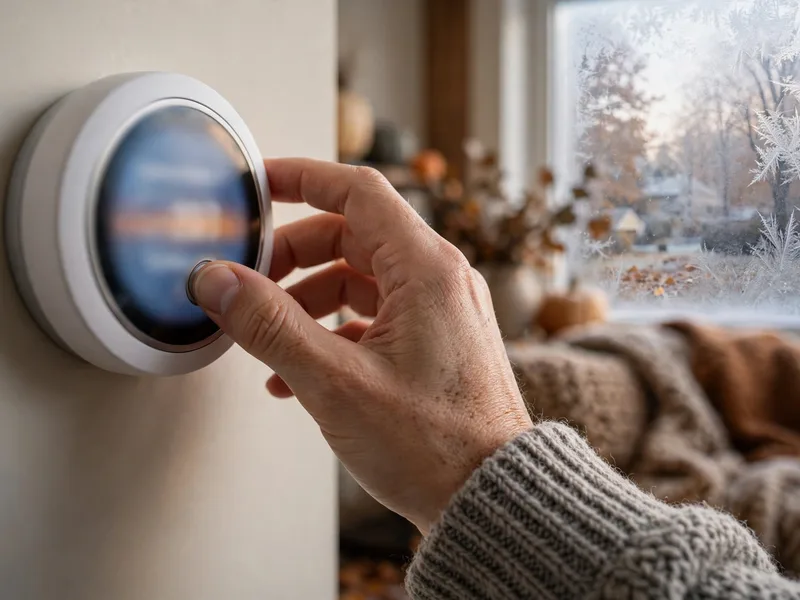
Which Furnace Problems Appear When Heating Demand Jumps?
The common pattern is not that cold air breaks a healthy furnace. Increased run time makes a marginal part or maintenance problem show itself.
| Symptom around the first freeze | Common areas to check | Best next step |
|---|---|---|
| Furnace does not start | Thermostat, power, ignitor, controls | Use the no start checklist, then schedule diagnosis |
| Burners light and shut off | Flame sensor, airflow, safety controls | Stop repeated resets and get the cycle tested |
| Blower runs but air is cold | Ignition, flame sensing, limit control, thermostat fan setting | Diagnose why burners are not staying on |
| Furnace runs constantly | Weather load, filter, airflow, sizing, building heat loss | Compare indoor temperature and system performance |
| Weak airflow | Filter, blower, capacitor, duct restriction | Check filter, then test blower system |
| Water near high efficiency furnace | Condensate drain, trap, pump, venting | Inspect drainage before water damage grows |
| Strange smell | Dust, electrical fault, gas, combustion problem | Identify the odor; gas or CO concerns require emergency action |
The site’s furnace not turning on guide and furnace blowing cold air guide cover the two highest intent symptom paths.
Why Can a Furnace Work in Mild Weather but Fail When It Gets Colder?
Mild weather may call for short, infrequent heat cycles. Colder weather asks the furnace to start more frequently, run longer, move more air, and drain more condensate on high efficiency systems. A weak ignitor, dirty flame sensor, tired blower component, restricted filter, or marginal control can pass a short cycle and fail under heavier use.
That does not mean every long run is a defect. A furnace can run for extended periods when outdoor temperature falls sharply, especially in a drafty home or when recovering from a large thermostat setback. The key question is whether the home reaches and maintains the set temperature without safety trips or repeated faults.
What Should You Check Before the First Freeze?
Homeowners can handle a few low risk checks without opening gas or electrical sections of the furnace:
- Set the thermostat to HEAT and confirm the fan is on AUTO.
- Replace weak thermostat batteries if the model uses them.
- Check the furnace switch and breaker.
- Inspect the air filter and replace it if it is heavily loaded.
- Make sure supply registers and return grilles are open and not blocked.
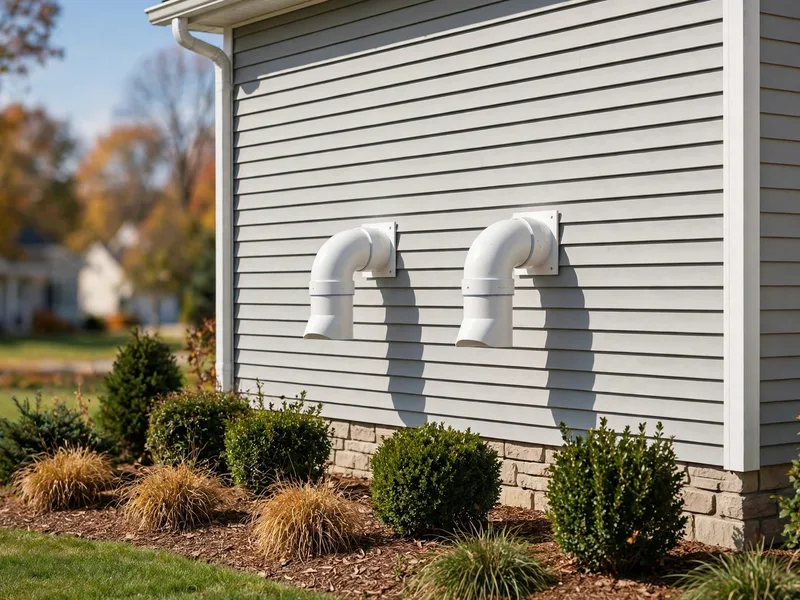
- Look at exterior high efficiency furnace intake and exhaust pipes for leaves, nests, debris, snow, or ice.
- Test carbon monoxide alarms according to the alarm manufacturer’s instructions.
- Run the furnace early enough to notice unusual starts, stops, noises, smells, or weak airflow before a cold night.
Columbia Gas of Ohio specifically tells customers to keep intake, exhaust, and make up air vents clear of snow and ice during winter weather. Source: Columbia Gas of Ohio Winter Weather Safety.
CTA: Furnace failed the fall test? Use the Columbus furnace repair hub to match the symptom or call (380) 273-8167 before the next colder night.
Why Does the Filter Matter More Once the Furnace Runs Longer?
A heavily restricted filter reduces airflow through the furnace. Lower airflow can increase furnace temperature, trip a high limit safety control, reduce comfort, and make the system cycle in a way that looks like an ignition problem.
A dirty filter is not the only possible cause of short cycling, so replacing it is a first check rather than a complete diagnosis. If the furnace still starts and shuts off quickly after airflow is restored, the short cycling service path should be diagnosed rather than repeatedly reset.
What Happens to High Efficiency Furnace Vents and Condensate in Cold Weather?
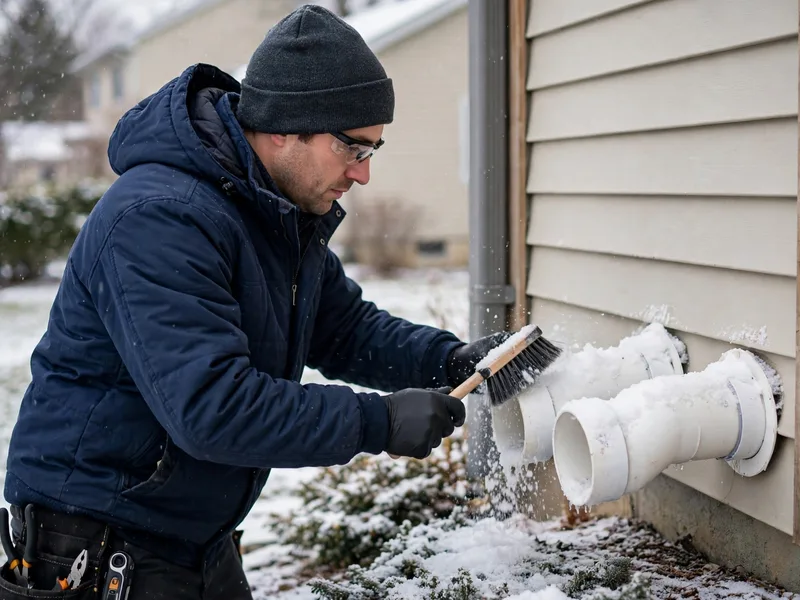
High efficiency condensing furnaces use plastic venting on many installations and create condensate that must drain. Leaves, snow, ice, nests, or drainage problems can interfere with operation and trigger safety shutdowns. Exterior terminations should be visible and clear, but homeowners should not dismantle venting or bypass pressure switches.
If water starts appearing around the furnace when cold weather run time increases, the source may be the condensate drain, trap, pump, humidifier, or another water source. A water leak needs diagnosis rather than an assumption that the heat exchanger has failed.
Does a Burning Smell Mean the Furnace Is Failing?
A light dusty odor during the first heating cycle can come from dust on warm surfaces after months of little or no use. A gas odor, burning plastic smell, visible smoke, sparks, or a CO alarm is different and should not be treated as normal first start behavior.
For odor specific steps, use the furnace smells guide. Gas or CO concerns take priority over troubleshooting.
Should a 15 Year Old Furnace Be Checked Before the First Freeze?
Yes, a condition check is sensible when an older furnace has an unknown repair history, slow ignition, uneven heating, rising run time, or prior winter breakdowns. Age does not automatically mean replacement, but older equipment gives you less room for surprise when a major part fails during cold weather.
The dedicated guide Is It Worth Repairing a 15 Year Old Furnace in Columbus? explains the age, repair history, safety, parts, and cost factors.
What If the First Cold Week Brings a Replacement Recommendation?
Ask what failed and why replacement is preferable to repair. If the recommendation is high cost and the home is safe, a second diagnosis may give you the information needed to compare options. Use When Should You Get a Furnace Replacement Second Opinion in Columbus? for the questions to ask.
If the recommendation involves a cracked heat exchanger, keep the furnace off until the safety finding is resolved and read the cracked heat exchanger second opinion guide.
Why Can the Gas Bill Rise After the First Cold Stretch?
Columbia Gas of Ohio says colder weather and higher gas usage can increase both supply and usage based distribution charges. A bill can rise even when the furnace is operating normally simply because the home needed more heat. Source: Columbia Gas of Ohio Understanding Your Bill.
If the usage jump looks larger than the weather change, or the furnace runs constantly without maintaining temperature, use Does a High Gas Bill Mean Your Furnace Has a Problem? to separate utility, weather, home, and furnace causes.
When Does This Advice Not Apply?
Do not use a seasonal checklist to troubleshoot a gas smell, carbon monoxide alarm, visible smoke, or sparks. Leave the home when gas or CO is suspected and call emergency services or the gas utility from outside.
Homeowner checks should stop at thermostat settings, power, filter, open vents, accessible exterior terminations, and alarm testing. Gas valves, burners, combustion, internal electrical components, and heat exchangers belong in qualified service work.
What Do Columbus Homeowners Ask Most Often?
What temperature counts as a freeze in Columbus?
For weather records, 32°F is the common freeze threshold. Ground level conditions can be colder than the official air temperature, and temperatures vary across the metro.
Does the first freeze make furnace ignitors fail?
The freeze itself does not necessarily damage the ignitor. Heavier heating use creates more ignition cycles, which can expose an ignitor that was already weak or cracked.
Why does my furnace run longer on the first cold night?
The home is losing heat faster, so longer run time can be normal. A problem is more likely when the furnace cannot reach the set temperature, repeatedly trips off, or produces weak airflow.
Should I change the filter before heating season?
Yes, checking the filter before heavier furnace use is a low cost step. Filter replacement frequency depends on filter type, household conditions, and system use.
Can snow block a furnace vent?
Yes. Columbia Gas of Ohio warns customers to keep intake and exhaust vents clear of snow and ice. A blocked vent can cause operating problems and safety concerns.
Is a dusty smell normal the first time I run the furnace?
A mild dust smell can occur during the first heating cycle. A gas smell, electrical burning odor, visible smoke, or CO alarm is not normal.
Should I schedule a tune up before or after the first freeze?
Before is easier because it gives you time to repair a problem before heavy heating demand. If the first cold weather has already arrived, service is still useful when the furnace behaves abnormally.
Why did my gas bill rise right after cold weather arrived?
Heating demand rises as outdoor temperatures fall, so gas use can increase. Compare actual usage, billing days, thermostat habits, and furnace behavior before assuming a mechanical fault.
CTA: Need heat before the next cold night? For a no heat problem, use 24/7 emergency furnace repair in Columbus or call (380) 273-8167.
More troubleshooting and seasonal guides live on our furnace repair blog.