
TLDR Quick Answers
- Is a suspected cracked heat exchanger a safety issue? Yes. Do not keep running the furnace while waiting for verification.
- What if the carbon monoxide alarm sounds? Leave the home and call 911 from outside.
- Do warning signs prove a crack? No. A yellow flame, soot, rust, or short cycling justifies an inspection but does not by itself prove the heat exchanger is cracked.
- What should a proper inspection check? The AHRI procedure calls for checking furnace setup, venting, and combustion conditions, then visually inspecting heat exchanger surfaces.
- What counts as a confirmed crack? Abnormal splits, cracks, or holes mean the heat exchanger must be replaced.
- Does a confirmed crack always mean a new furnace? No. It can lead to heat exchanger replacement or full furnace replacement, depending on age, warranty, parts, labor, and other system conditions.
- What should you ask first? Ask to see the finding and the test method before committing to a high cost replacement.
A cracked heat exchanger diagnosis deserves prompt attention because the heat exchanger separates combustion gases from the air moving through the home. A second opinion should verify the defect using a recognized inspection process, not simply repeat a list of symptoms that can also come from other furnace problems.
Told the heat exchanger is cracked but want the finding verified? Keep the furnace off and call (380) 273-8167 for a second furnace diagnosis after any immediate CO or gas emergency has been cleared.
What Does a Heat Exchanger Do?
A gas furnace heat exchanger transfers heat from combustion gases to the air that circulates through the home while keeping those combustion gases separated from the household air stream. Damage to that barrier is serious because combustion products can create a carbon monoxide hazard.
The CDC says gas and oil burning furnaces produce carbon monoxide, which is colorless and odorless. A furnace needs proper venting and regular qualified service because CO exposure can cause sudden illness or death. Source: CDC Carbon Monoxide Basics.
What Signs Can Point to a Heat Exchanger Problem?
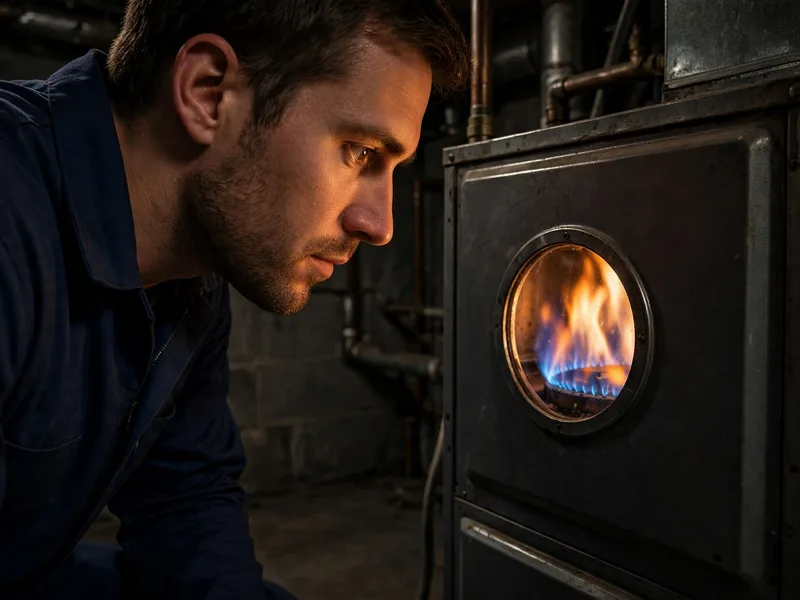
Warning signs can justify an inspection, but they are not all proof of a crack. Trane and Carrier list signs such as soot, corrosion, unusual flame behavior, repeated cycling, strange odors, visible damage, or a CO alarm as reasons for professional evaluation.
| Sign | What It Can Mean | Does It Prove a Crack? |
|---|---|---|
| CO alarm | Combustion gases may be entering the home, or another CO source may exist | No, evacuate and investigate |
| Yellow or orange flame | Combustion issue, contamination, or air and fuel problem | No |
| Soot | Incomplete combustion or venting problem | No |
| Rust or corrosion | Moisture or long term deterioration | No |
| Short cycling | Airflow, limit, sensor, sizing, or other furnace faults | No |
| Visible abnormal split or hole | Physical heat exchanger damage | Strong evidence requiring professional action |
| Headache, dizziness, or nausea | Possible CO exposure among many medical causes | No, treat suspected CO exposure as urgent |
Carrier specifically cautions that flame color alone does not confirm a cracked heat exchanger. Source: Carrier Heat Exchanger Guide.
What Should a Qualified Second Opinion Inspect?
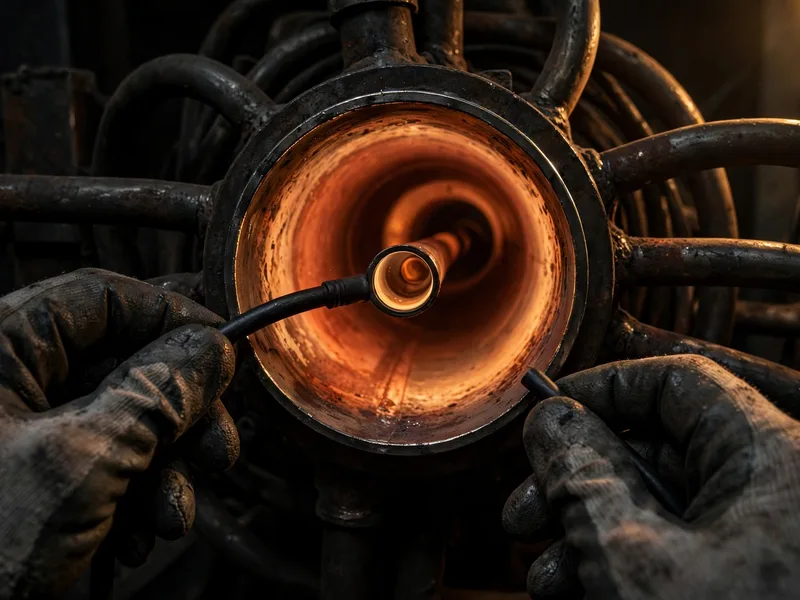
AHRI publishes an induced draft furnace heat exchanger inspection procedure intended for qualified service personnel. It includes checking installation conditions, burner alignment, combustion air and venting, measuring flue gas CO when called for, and disassembling enough of the furnace to visually inspect heat exchanger exterior surfaces.
AHRI says abnormal splits, cracks, or holes require heat exchanger replacement. It also says that if the visual inspection does not show a crack or separated seam, the technician should continue investigating the source of elevated CO rather than assuming the heat exchanger is the cause. Source: AHRI Induced Draft Furnace Heat Exchanger Inspection Procedure.
A second opinion should be able to tell you which part of that diagnostic chain identified the problem. A flame that looked odd is a reason to inspect, not the final proof.
Ask one direct question: “Can you show me what confirmed the heat exchanger failure?” If the first answer is unclear, call (380) 273-8167 for a second diagnosis before approving a replacement.
Should You Ask to See the Crack?
Yes, when it can be shown safely and without asking you to handle or disassemble the furnace. Trane advises homeowners facing a cracked heat exchanger recommendation to ask to see the cracked component or evidence themselves.
A photograph, borescope image, visible split, inspection note, or measurement can make the diagnosis easier to understand. Not every heat exchanger surface is easy to see without disassembly, so the absence of a quick phone photo does not prove the diagnosis is wrong.
Does a Cracked Heat Exchanger Always Mean a New Furnace?
No. A confirmed abnormal crack or hole means the damaged heat exchanger must be replaced before safe operation, but the choice can be heat exchanger replacement or whole furnace replacement. Trane notes that heat exchangers can be replaced, while labor and part cost can make whole furnace replacement more attractive on older equipment.
The U.S. Department of Energy’s combustion appliance safety guidance similarly describes replacing the heat exchanger when a replacement part is available, with whole unit replacement favored for older equipment in that guidance.
If your furnace is around 15 years old, read Is It Worth Repairing a 15 Year Old Furnace in Columbus? before treating age as a complete answer.
When Should You Get a Second Opinion?
Get a second opinion when the replacement is expensive, the evidence is unclear, the furnace is shut down but the home is otherwise safe, or the recommendation skips over the difference between replacing the heat exchanger and replacing the whole furnace. The furnace replacement second opinion guide has a broader contractor and estimate checklist.
Do not restart the furnace just to “see if it still works.” A furnace can produce heat while still having a safety defect.
What If the Carbon Monoxide Alarm Is Sounding?
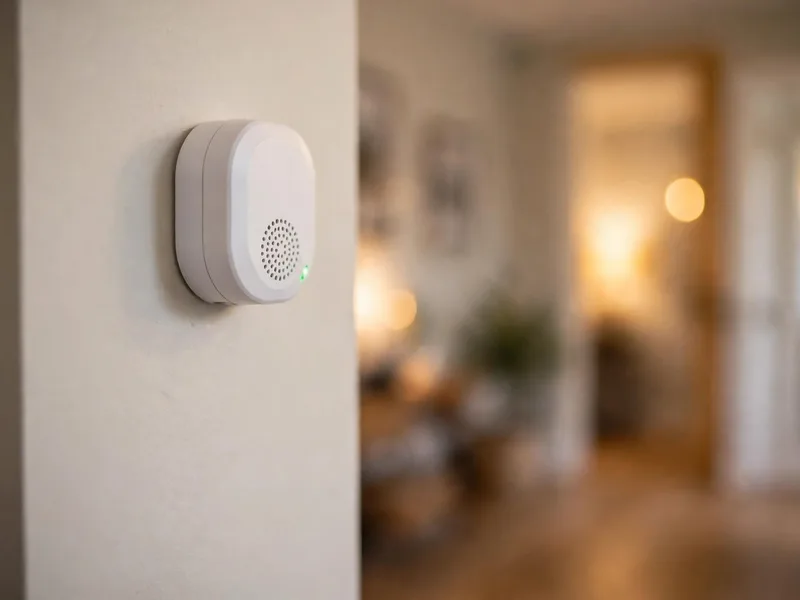
Leave the home immediately and call 911 from outside. The CPSC advises consumers to move outside to fresh air when a CO alarm sounds and not go back inside until emergency responders determine it is safe. Source: CPSC Carbon Monoxide Questions and Answers.
A furnace technician is not the first call while people may be exposed to CO. Emergency clearance comes first, then the furnace inspection.
Can a High Gas Bill Point to a Cracked Heat Exchanger?
A high gas bill does not diagnose a cracked heat exchanger. Columbia Gas of Ohio says weather, billing cycle length, household changes, usage, and appliance performance can all affect the bill. A furnace problem can raise usage, but a bill alone cannot identify which component is at fault.
Use Does a High Gas Bill Mean Your Furnace Has a Problem? for a billing and performance checklist. If there is also a CO alarm, gas smell, soot, or visible furnace damage, follow the safety path instead of treating it as an efficiency issue.
Why Can First Freeze Season Expose Heat Exchanger and Combustion Problems?
Longer heating cycles place more operating time on burners, blowers, safety controls, venting, and the heat exchanger. Columbus has recorded its first 32 degree fall temperature anywhere from September 21 to November 27, according to the National Weather Service, so the first stretch of heavy furnace use can arrive at very different times.
The first freeze furnace problem guide covers ignition, airflow, venting, and condensate issues that can appear when run time increases. Those problems can coexist with a heat exchanger concern, which is why the diagnostic process matters.
When Does This Advice Not Apply?
This guide is not a substitute for emergency response, combustion testing, or a hands on heat exchanger inspection. Homeowners should not disassemble a gas furnace to look for cracks, drill inspection holes, or use smoke or water tests on the exchanger.
A second opinion also should not be used as a reason to keep operating equipment that a qualified professional has taken out of service for a documented safety defect. Keep it off until the defect is resolved.
What Do Columbus Homeowners Ask Most Often?
Can a cracked heat exchanger leak carbon monoxide?
A damaged exchanger can create a path for combustion gases, including CO, to enter the air stream. Actual CO levels depend on the failure and operating conditions, so testing and inspection are needed.
Does a yellow furnace flame prove the heat exchanger is cracked?
No. An abnormal flame can point to combustion trouble, but Carrier states that flame color alone does not confirm a cracked heat exchanger. It should trigger qualified inspection.
Can a technician see every heat exchanger crack without taking the furnace apart?
No. Some surfaces are difficult to view without removing panels or components. AHRI's procedure calls for enough disassembly to visually inspect heat exchanger exterior surfaces when the inspection reaches that step.
Can the heat exchanger itself be replaced?
Yes, on many furnaces it can be replaced if the part is available. Labor, warranty, furnace age, and other equipment condition determine whether that repair is sensible compared with replacing the furnace.
Should I run the furnace while waiting for a second opinion?
Not when a qualified technician has identified a possible heat exchanger safety defect. Keep the furnace off until the concern is verified and resolved.
What if my CO alarm sounds but I feel fine?
Leave the home and call 911 from outside. CO is colorless and odorless, and people can be exposed before recognizing symptoms.
Is soot proof of a cracked heat exchanger?
No. Soot points to a combustion problem that needs inspection, but it can have causes other than a cracked exchanger.
Does a cracked heat exchanger mean the HVAC company is trying to sell me a furnace?
No. Cracks are real safety failures, and qualified technicians do find them. The right response is to verify the finding and understand the repair or replacement options, not assume the diagnosis is false.
Need the heat exchanger finding explained before you choose a repair or replacement? Call Columbus Furnace Repair at (380) 273-8167 and ask for a diagnosis tied to the actual furnace condition.
More furnace troubleshooting guides live on our furnace repair blog.
One Response