
You flip the breaker back on, the furnace starts, and minutes later the house goes quiet again. Or the breaker trips the instant the furnace tries to start. A furnace that keeps tripping the circuit breaker is flagging an electrical fault, and this is one problem where guessing can be dangerous.
Quick Answer: A furnace trips the breaker when it draws more current than the circuit allows. The most common causes are a dirty air filter forcing the blower motor to overwork, a failing blower motor or weak capacitor, a failing inducer motor, shorted or damaged wiring, or a repeatedly blowing 3 amp control board fuse from a 24 volt short. Reset the breaker exactly once. If it trips again, leave it off and call a technician. Never install a larger breaker to stop the trips.
Call (380) 273-8167 for Same Day Furnace Repair
What the Timing of the Trip Tells You
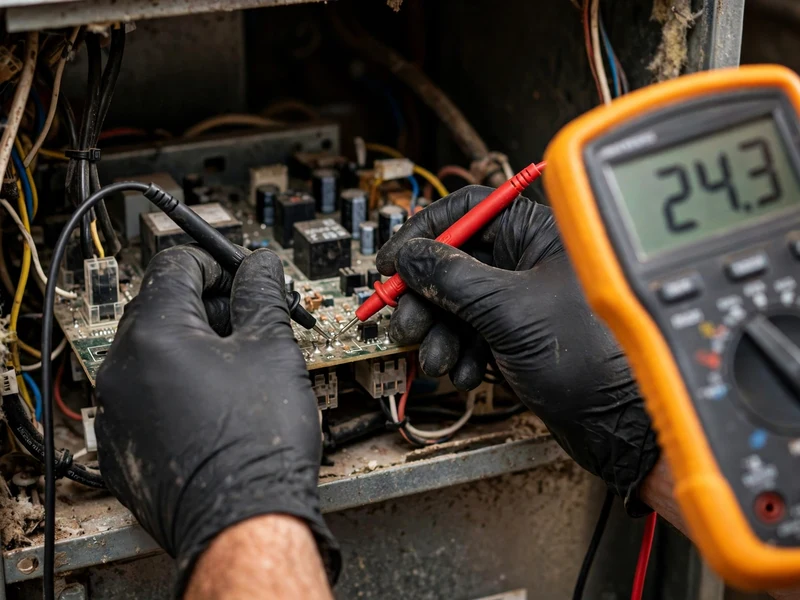
When the breaker trips is your best diagnostic clue, and a technician will ask about it first. If the breaker trips the instant the furnace tries to start, or the moment you flip it back on, you are almost certainly looking at a direct short circuit: damaged wiring, a shorted motor winding, or a short in the 24 volt control circuit. Power meets a near zero resistance path and current spikes instantly.
If the furnace runs for a few minutes and then trips, the cause is usually overload rather than a dead short. The blower motor is drawing more amps than it should, heat builds in the wiring, and the breaker trips on thermal overload. That pattern points to a dirty filter, a struggling motor, or a weak capacitor.
Cause 1: A Dirty Air Filter Overworking the Blower
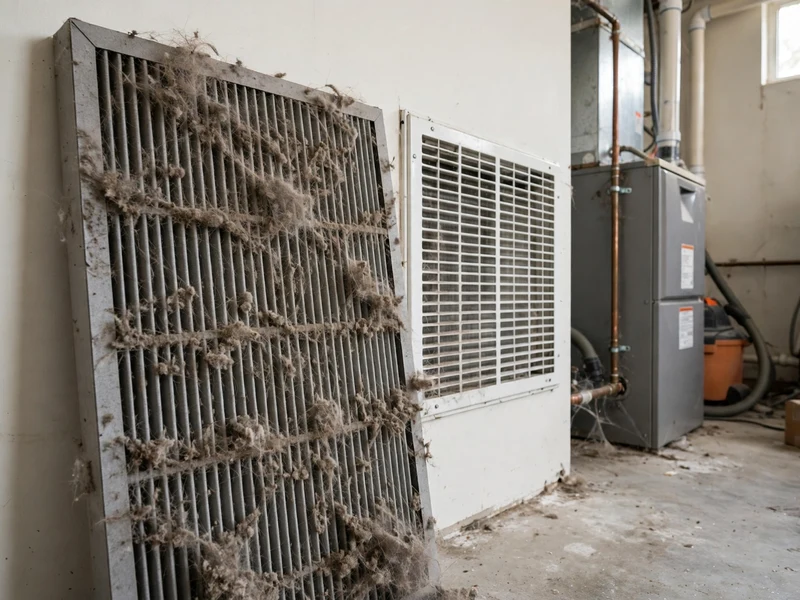
The most common and most fixable cause. When the air filter is clogged, the blower motor has to work much harder to pull air through the system, and a strained motor can draw 20 to 40 percent more current than normal. That extra draw is often enough to push an older breaker over its limit, especially on long heating cycles during a cold snap.
Check the filter first: hold it up to a light, and if you cannot see light through it, replace it. Then reset the breaker once and run a full heating cycle. If the breaker holds, the filter was your problem. This peaks in fall in Columbus, when furnaces fire up for the season with filters that collected dust all summer. Keep a fresh filter in monthly during heating season if you have pets.
Cause 2: A Failing Blower Motor or Weak Capacitor
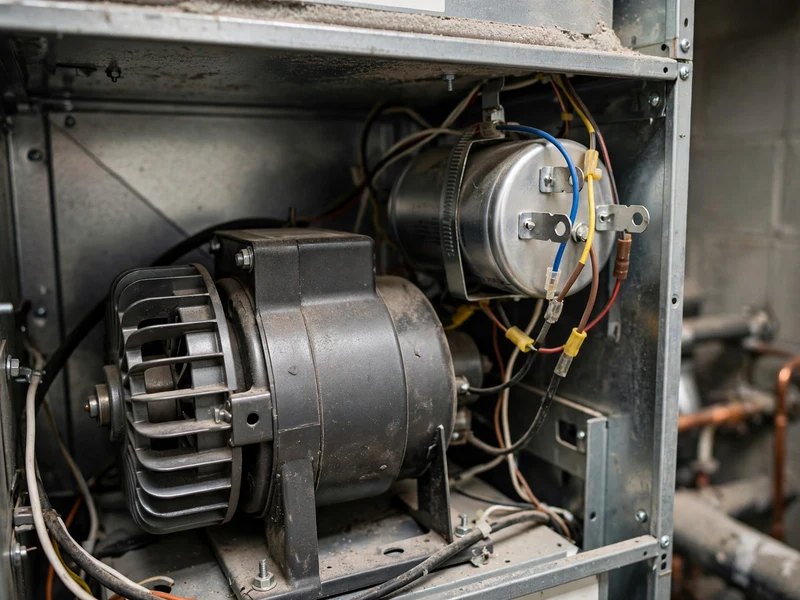
If the filter is clean and the breaker still trips after several minutes of running, the blower motor itself is the prime suspect. Bearings wear, windings degrade, and a dying motor draws steadily more current until the breaker gives up. A weak capacitor causes a related problem: the motor cannot reach full speed, runs hot and inefficient, and pulls excess amps the whole time.
Warning signs include humming or buzzing at startup, the blower starting slowly, or weak airflow from the registers. A technician measures the motor amp draw against its nameplate rating to confirm. If the motor is the culprit, see our blower motor replacement cost guide so you know what the repair should cost before approving it.
Call (380) 273-8167: We Find Electrical Faults Fast
Cause 3: A Failing Inducer Motor or Shorted Wiring
The draft inducer motor runs at the start of every heating cycle to vent combustion gases. When its bearings seize or its windings short, it can trip the breaker the moment the furnace calls for heat. Because the inducer starts before the burners light, an instant trip at startup with no ignition attempt often traces back here.
Damaged wiring causes the same instant trip pattern. In Columbus attics and crawl spaces, wire insulation gets chewed by rodents, pinched during other work, or melted where it rests against hot flue pipe. A wire touching the metal cabinet creates a direct short, and finding it means working around live 120 volt power and gas components at the same time, which is not a homeowner repair.
Cause 4: The 3 Amp Fuse on the Control Board Keeps Blowing
Many homeowners find a small 3 amp fuse blown on the furnace control board and assume replacing it fixed the problem, only to have the new fuse blow too. That fuse protects the low voltage 24 volt control circuit, and it blows when something on that circuit is shorted: a pinched thermostat wire, a shorted contactor coil, or a failed control board component.
The fix is never a bigger fuse. The fuse is doing its job by sacrificing itself instead of letting the short burn up the board or the wiring. A technician isolates the short by disconnecting parts of the 24 volt circuit one at a time until the fuse holds. If your thermostat wiring runs through an unfinished space, check our furnace not turning on checklist for the other low voltage culprits.
Cause 5: An Undersized or Worn Out Breaker
Sometimes the furnace is innocent and the breaker is the problem. Breakers wear out: after years of thermal cycling, a breaker can start tripping below its rated current. A furnace circuit that was marginally sized at installation can also nuisance trip when the motor ages and its draw creeps up. An electrician or HVAC technician can confirm with an amp clamp reading while the furnace runs.
But read this carefully: the answer is never a larger breaker on the existing wire. The breaker size protects the wire gauge in the wall, and oversizing the breaker lets the wire overheat before anything trips. That is how electrical fires start. If the circuit truly needs upsizing, the wire gets upsized with it, by a licensed electrician.
Why the Breaker Only Trips at Night
A pattern that confuses a lot of homeowners: the furnace runs fine all day, then trips the breaker after dark. Utility voltage commonly dips 3 to 5 percent during evening peak hours, and motors draw more current when voltage drops. A blower motor already running near the breaker limit during the day gets pushed over the edge at night.
Night trips can also mean the furnace is simply running its longest cycles after dark, when falling outdoor temperatures make the thermostat call for heat more often. Longer runs give a marginal overload more time to heat the breaker to its trip point. Either way, the underlying cause is still in the causes above: the night timing is a clue, not a separate problem.
The One Reset Rule
Here is the rule electricians and HVAC technicians agree on: reset the breaker exactly once. Turn it fully off, then fully on. If the furnace runs normally after that, it may have been a one time surge or a filter you just replaced. If it trips a second time, stop. Leave the breaker off and call for service.
Every additional reset forces full fault current through whatever is shorted or overloaded, doing more damage each time: melting more wire insulation, cooking the motor windings further, or cracking the control board. The service call you hoped to avoid gets more expensive with every reset.
Breaker Trip or Something Else? Quick Comparison
| Symptom Pattern | Likely a Breaker or Electrical Issue | Likely Something Else |
|---|---|---|
| Breaker trips the instant the furnace starts | Yes, direct short | |
| Runs minutes, then breaker trips | Yes, motor overload | |
| Small fuse on control board blows repeatedly | Yes, 24 volt short | |
| Clicks repeatedly but burners never light | Possible igniter short | Ignition failure |
| Burners light, then drop out after seconds | Unlikely | Dirty flame sensor |
| Runs 3 to 10 minutes, burners shut off, blower keeps running | Unlikely | Limit switch tripping |
Important Considerations Before You Call
First, do the safe checks: replace the filter, confirm the breaker is fully seated in the on position, and note the trip timing, instant or delayed, and whether anything else in the house lost power at the same time. Write it down, because you will forget the details by the time the technician arrives.
Second, do not open the furnace electrical compartment yourself. The 120 volt line power inside can injure or kill, and it stays live at the disconnect even when the thermostat is off. Third, if you smell burning plastic or see scorch marks around the breaker or the furnace, leave the breaker off and say so when you call.
Fourth, this is a good moment for honest age math. If the furnace is past 15 years and the repair involves a major motor, compare the repair quote against replacement using our repair or replace guide. An aging furnace that starts tripping breakers is often telling you its time is near.
What Breaker Trip Diagnosis Costs in Columbus OH
A diagnostic visit for a tripping breaker typically runs in line with standard furnace service call pricing in Columbus. If the fix is a filter and a reset, the visit is the whole cost. A capacitor replacement is inexpensive, a blower motor is a mid range repair, and tracking down a shorted wire runs on labor time. Our 2026 Columbus furnace repair cost guide has current local numbers for each.
A professional furnace tune up in Columbus OH catches most of these causes early: amp draws get measured, capacitors get tested, and wiring gets inspected before a cold night turns a warning sign into a no heat emergency.
Frequently Asked Questions
Why does my furnace keep tripping the breaker?
The furnace is drawing more current than the circuit allows. The usual causes are a dirty air filter overworking the blower, a failing blower motor or weak capacitor, a shorted inducer motor or damaged wiring, or a short in the 24 volt control circuit blowing the control board fuse.
Is it safe to keep resetting the furnace breaker?
Reset it exactly once. If it trips again, leave it off and call a technician. Repeated resets force fault current through the failing part and make the damage worse, and a breaker that keeps tripping can indicate a fire risk in the wiring.
Can a dirty air filter really trip the breaker?
Yes. A clogged filter makes the blower motor work much harder, and the extra strain can raise amp draw 20 to 40 percent, which is often enough to trip the breaker on long heating cycles. It is the first thing to check and the cheapest fix.
Why does my furnace only trip the breaker at night?
Utility voltage dips a few percent during evening peak hours, and motors draw more current at lower voltage. Night is also when the furnace runs its longest cycles in cold weather, giving a marginal overload more time to heat the breaker to its trip point.
Can I just install a bigger breaker for my furnace?
Never. The breaker size protects the wire in your walls, and a larger breaker lets that wire overheat before anything trips, which is a fire hazard. If the circuit needs upsizing, a licensed electrician must upsize the wire along with the breaker.
Why does the small fuse on my furnace control board keep blowing?
The 3 amp fuse protects the 24 volt control circuit, and it blows when something on that circuit is shorted, such as a pinched thermostat wire or a failed board component. Replacing the fuse without finding the short just blows the next one. A technician isolates it by testing sections of the circuit.
How much does it cost to fix a furnace that trips the breaker?
Diagnosis plus a simple fix like a filter change or capacitor is on the lower end of furnace repair pricing, while a blower motor replacement costs more. For an upfront price in Columbus, call (380) 273-8167 before approving any work.
Will a tripped breaker damage my furnace?
The tripping itself is the protection working as designed. The damage comes from repeated resets, which keep forcing fault current through the failing component. One trip rarely hurts anything, but a breaker that trips over and over while being reset can destroy motors, boards, and wiring.
Call (380) 273-8167: Stop the Trips for Good
For more furnace troubleshooting help, browse the Columbus Furnace Repair blog.