TLDR Quick Answers
- Why is my furnace blowing cold air? The blower is running but the burners are not making heat, most often because of a failed ignitor, a dirty flame sensor, or an overheating limit switch.
- What should I check first? The thermostat fan setting and the air filter. Fan set to AUTO and a clean filter fix this symptom more often than any part replacement.
- Can a dirty filter cause cold air? Yes. A clogged filter overheats the heat exchanger, the limit switch kills the burners, and the blower keeps pushing unheated air.
- What if the burners light and then die in seconds? That is the signature of a dirty flame sensor. The board shuts the gas off because it cannot prove a flame exists.
- How much does the repair cost? A diagnostic visit runs 75 to 150 dollars. Most furnace repairs in Columbus cost 123 to 505 dollars, and cold air causes cluster at the low end.
Why Is My Furnace Blowing Cold Air Instead of Heat?
A furnace blowing cold air means the fan side works and the heat side has failed. The blower moves air through the house, while the ignition chain, meaning the inducer motor, ignitor, gas valve, burners, and flame sensor, makes the heat. If any link in that chain fails a safety check, the controls stop the burners and often let the blower keep circulating air anyway.
That is why the vents feel room temperature or cooler even though the system sounds busy. Airflow without combustion is the safe failure mode the controls choose.
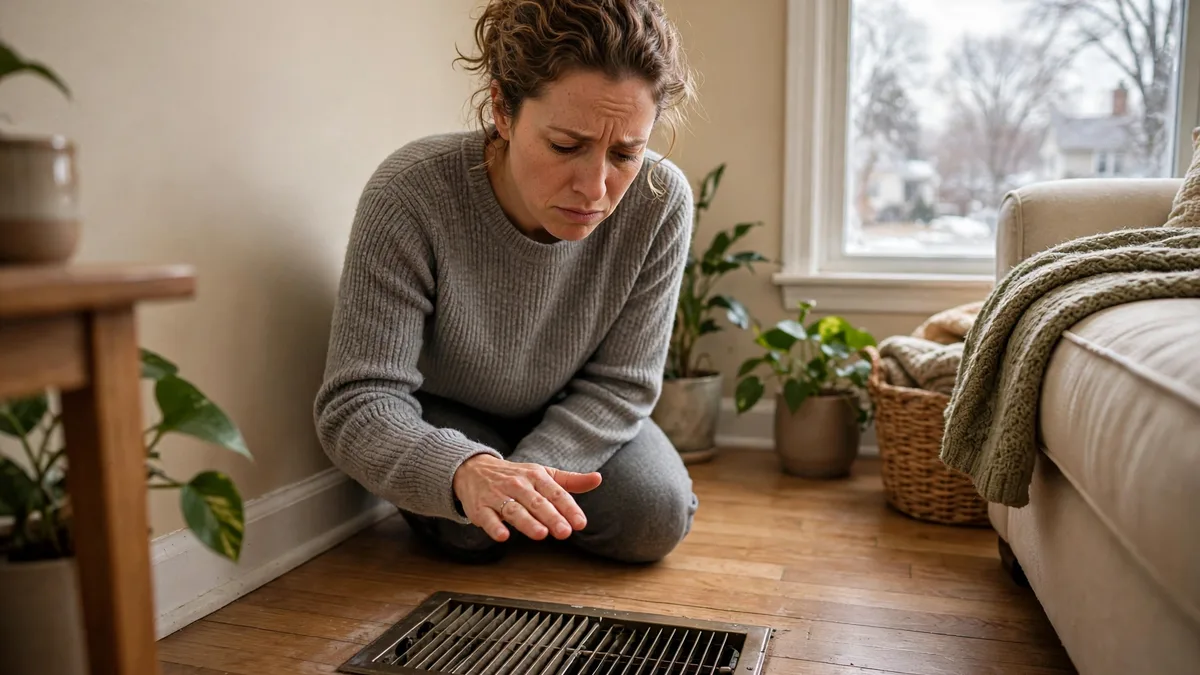
The pattern of the cold air tells the story. Cold air only between heating cycles usually traces to a setting. Air that starts warm and turns cold points at overheating. Burners that never light at all point at ignition.
What Are the Two Safe Checks to Try First?
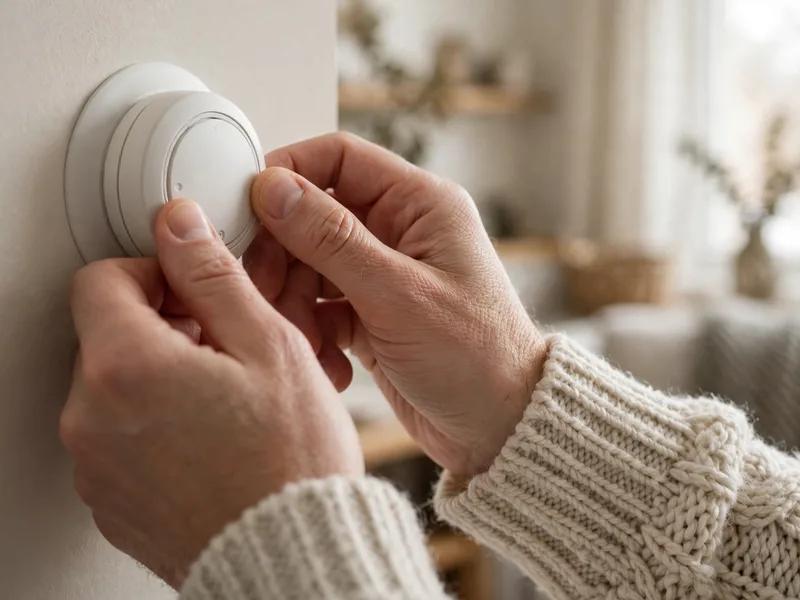
Check the thermostat settings first. The mode must be HEAT and the fan must be set to AUTO, not ON. With the fan locked ON, the blower runs constantly and pushes unheated air between heating cycles. That one setting is behind a steady share of cold air calls every winter.
Check the air filter second. Pull it out and hold it up to a light. If you cannot see light through it, the filter is clogged. Replace it, then give the furnace about fifteen minutes to settle.
If neither check restores warm air, stop there. The remaining causes live inside the ignition and safety systems. That is technician territory.
What Causes a Furnace to Run but Not Heat? The 7 Causes Ranked
Ranked by how often they show up behind cold air, the causes run from a thermostat fan setting and a clogged filter through ignition parts to duct and board problems. The first two you can fix yourself. The rest need diagnosis.
| What You Notice | Likely Cause | Fix or Call |
|---|---|---|
| Cold air between cycles, heat works when it runs | Fan set to ON instead of AUTO | Fix: switch the fan to AUTO |
| Air starts warm, turns cold, furnace stops early | Clogged filter overheating the unit | Fix first: replace the filter |
| Burners never light, clicking or a fading glow | Failed hot surface ignitor | Call for replacement |
| Burners light, then shut off within seconds | Dirty flame sensor | Call, or careful cleaning |
| Furnace heats briefly, then cycles off and on | Limit switch or airflow fault | Call for diagnosis |
| Blower runs, no burner activity at all | Gas valve, board, or thermostat fault | Call for diagnosis |
| Some rooms warm, others cold, weak airflow | Leaking or disconnected ductwork | Call for duct inspection |
Two patterns are worth memorizing. If the burners light and die within seconds, think flame sensor. If they never light at all, think ignitor. Both sit among the most common and least expensive furnace repairs.
Can a Dirty Air Filter Really Cause Cold Air?
Yes, and it is the most underestimated cause on the list. When the filter clogs with dust and pet hair, airflow drops while the burners keep firing at full rate. The heat exchanger overheats, and the high limit switch cuts the burners before the exchanger cracks from heat stress.
The blower keeps running afterward to cool the unit down. From the vents, that feels like the furnace giving up and blowing cold. Left alone, the cycle repeats all day: heat, overheat, shutoff, cold air. Repeated overheating is also how heat exchangers eventually crack.
An inexpensive filter protects a part that costs thousands. Change standard one inch filters every one to three months during heating season. If cold air returns right after a filter change, the limit switch may have weakened from repeated trips.
How Much Does It Cost to Fix a Furnace Blowing Cold Air?
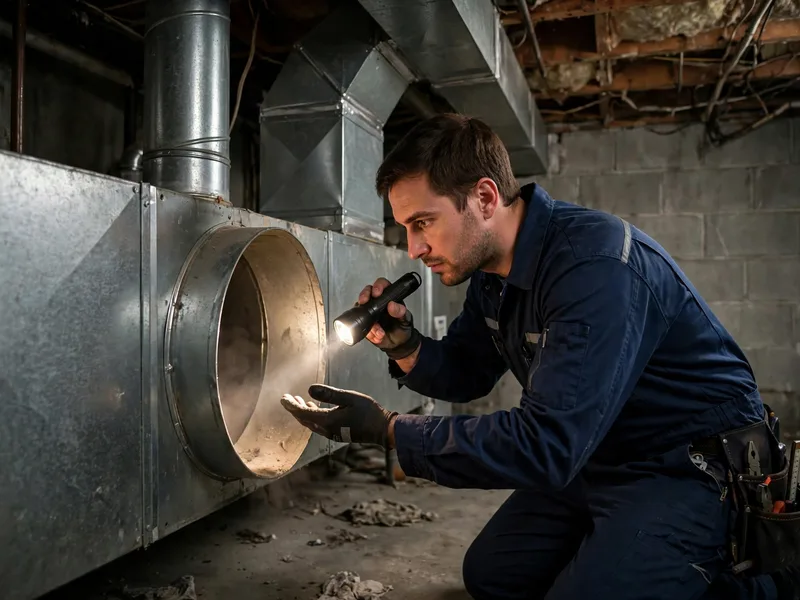
The price follows the part that failed, and cold air causes cluster at the affordable end. A diagnostic visit runs 75 to 150 dollars. Flame sensor cleaning or replacement costs 80 to 250 dollars, ignitor replacement 150 to 300 dollars, and a high limit switch 150 to 350 dollars.
For context, the average furnace repair in Columbus is 304 dollars, and most repairs land between 123 and 505 dollars according to Angi. You approve an exact quote after diagnosis, before anything gets replaced.
Filter changed, thermostat on AUTO, still blowing cold? Call (614) 555.0134 and a technician will test the ignition chain.
Is Cold Air From the Vents Dangerous?
Cold air itself is not dangerous. A thermostat setting, a clogged filter, and a weak ignitor are inconvenient, common, and fixable.
Repeated limit switch trips deserve urgency. Each one stresses the heat exchanger, and a cracked exchanger can leak combustion gases, including carbon monoxide, into the air the house breathes. That risk builds slowly through ignored overheating.
If cold air arrives with a rotten egg gas smell, leave the house, avoid flipping switches, and call the gas utility or 911 from outside. If a carbon monoxide detector alarms, the same drill applies: out first, 911, then the furnace.
Important Considerations
A brief cold blast at startup is normal. The blower often starts seconds before the burners heat the exchanger, so the duct air comes out at room temperature first. It should turn warm within a minute or two.
Cold air problems do not heal themselves. A cycling, overheating furnace damages itself a little more with every cycle.
Frozen pipes are the hidden Columbus risk on the coldest nights.
Cold air that returns within days of a filter change is a symptom. Symptoms need diagnosis.
Frequently Asked Questions
Why does my furnace blow cold air for a minute and then turn warm?
That short cold blast at startup is usually normal. The blower starts before the burners fully heat the exchanger, and duct air sits at room temperature. Warm air should follow within a minute or two. However, air that never warms, or warms and then turns cold mid cycle, means the ignition or limit system needs attention.
Can a dirty air filter really cause my furnace to blow cold air?
Yes. A clogged filter restricts airflow, the heat exchanger overheats, and the limit switch shuts the burners off for safety while the blower keeps running. The vents then push unheated air. Replacing the filter often restores heat within the hour. However, if overheating cycles continue with a fresh filter, the limit switch may be failing from repeated trips.
Why is my furnace turning on but producing no heat?
The running sound is often just the blower or the inducer motor. If the burners never ignite, suspect the hot surface ignitor first. If they ignite and die within seconds, suspect the flame sensor. However, both faults hide behind the same cold vents, so a technician tests the ignition chain rather than trusting the sound alone.
The blower runs but only cold air comes out. What does that mean?
It means air movement is fine and combustion is not happening, or not being sustained. The control board lets the blower circulate air even when the burner side has failed a safety check. Set the fan to AUTO and check the filter first. However, cold air that persists after both checks means the fault sits in the ignitor, flame sensor, gas valve, or board.
How long should I wait after changing the filter?
Give the furnace about fifteen minutes. An overheated unit needs time to cool before the limit switch allows a normal restart. Then watch one full heating cycle from cold vents to warm air. However, a furnace that overheats again on the very next cycle has a problem the filter was only hiding.
Is it safe to keep running a furnace that blows cold air?
For a day while you run the two safe checks, generally yes. The safety controls are doing their job by stopping the burners. Running it for weeks is different, because repeated overheat cycles stress the heat exchanger. However, a gas smell or a carbon monoxide alarm changes everything, and the house should be emptied before anyone troubleshoots.
How much does it cost to fix cold air in Columbus?
Most cold air repairs land between 80 and 350 dollars depending on the part, after a diagnostic visit of 75 to 150 dollars. Flame sensor work and ignitor replacement sit at the affordable end. Columbus Furnace Repair quotes the exact price before replacing anything. However, during the coldest weeks, same day appointments fill early, so calling in the morning matters.
Does Columbus Furnace Repair fix cold air problems the same day?
Yes, in most cases. Ignitors, flame sensors, filters, and limit switches are stocked parts, and cold air calls get priority during freezing weather. Call (614) 555.0134 and describe the pattern you timed at the vents, because that pattern shortens the diagnostic. However, duct leaks and board failures can take longer when parts or duct access are involved.
See furnace blowing cold air repair and our furnace repair blog.